| 7,000+ Reviews
 Free EU Shipping above 100€*
 400,000+ Customers Worldwide
 Worldwide Tracked Shipping


Within the discipline of calisthenics, static skills like the front lever, back lever and planche are some of the most popular and impressive moves out there. Getting them takes a long stretch of perseverance and consistent effort, and the fastest route is simple: train them often, with the right tool. The GORNATION Static Bar gives you a portable, versatile setup so you can train at home, in the park or wherever you feel like it. Below you'll find 10 exercises sorted by level, a training plan for each level, and a FAQ covering the questions we hear most.
Why the Static Bar Works So Well for Statics
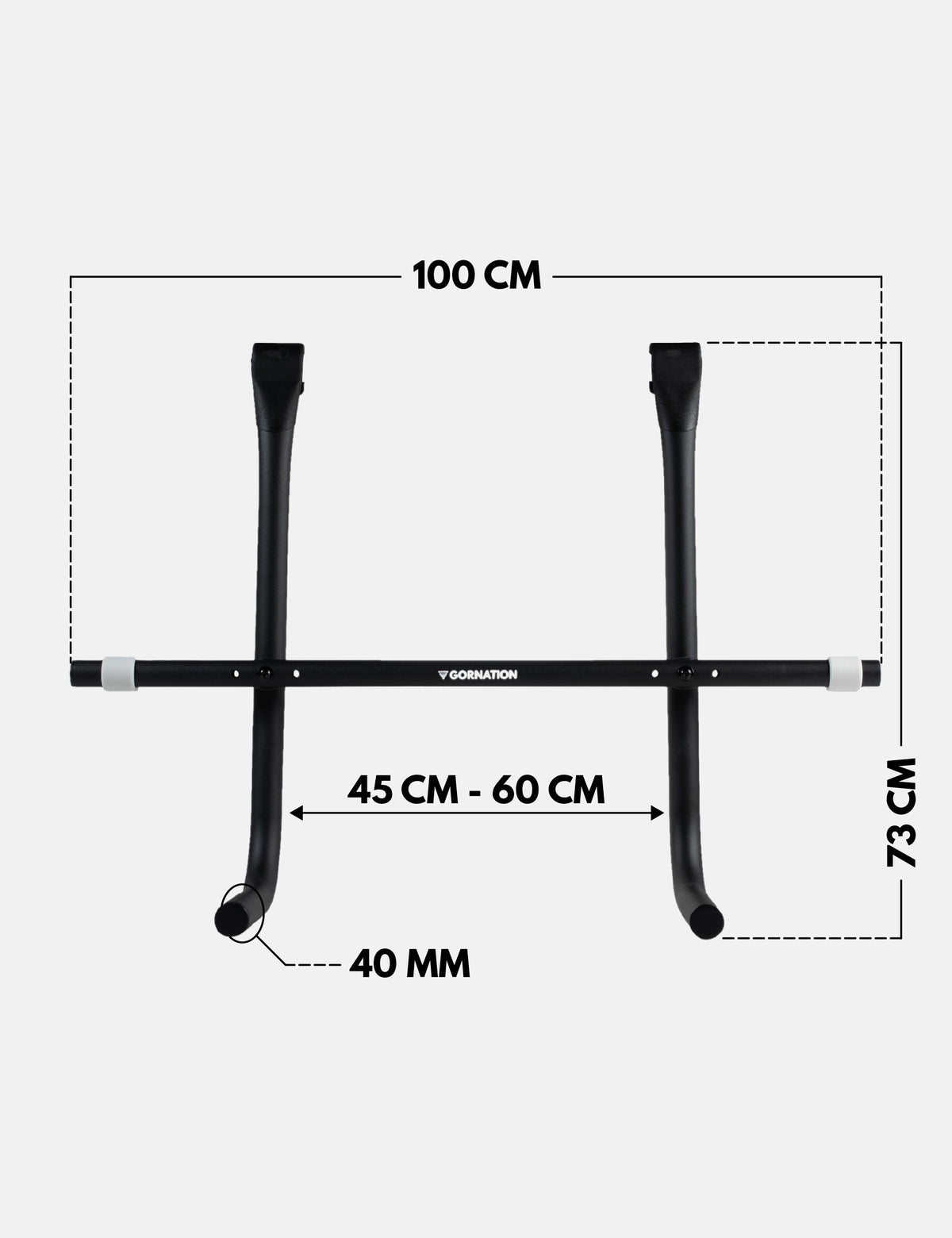
Most static skills come down to one thing: holding a fixed position against gravity while your grip and shoulders stay locked. That means the bar you hold matters more than people think. A 40 mm grip spreads pressure across the whole hand instead of digging into the fingers, and a matte powder-coated surface keeps your hands from sliding once you start sweating.
The other advantage is height. A straight bar at chest level lets you enter a front lever or back lever from the ground rather than from a dead hang, so you can bail safely the moment your form goes. That single detail is what makes lever training practical at home.
Beginner Exercises
1. Bodyweight Rows
The fundamental step to get acquainted with the Static Bar. Hold the bar with both hands, shoulder-width apart, and pull your chest to the bar. Keep a straight body line from heels to head and squeeze the shoulder blades together at the top. Lower your feet position to make it easier, walk them forward to make it harder. More pulling variations in our full list of pull exercises.

2. Bar Dips
Hold the bar with hands slightly wider than shoulder-width. Lower your body by bending at the elbows until they reach roughly 90 degrees, then push back up to a locked-out position. Keep your shoulders depressed at the top rather than shrugging into your ears. See the full breakdown on our straight bar dip page.

3. Knee Raises
Hold the bar with both hands and keep your body straight. Raise your knees towards your chest without swinging, then lower them under control. The absence of momentum is what makes this a real core exercise rather than a warm-up.
Intermediate Exercises
4. L-Sit
Start in a static hold on straight arms, then extend your legs out in front of you to form a 90-degree angle with your torso. Hold for time. The L-sit builds the compression strength every advanced static relies on, so it pays to hold it clean rather than long.

5. Tucked Front Lever
Holding the bar, pull your body up while tucking your knees to your chest until your back is parallel to the ground. Keep your arms straight and your scapula retracted. This is the entry point to the full front lever, and most athletes spend several months here.
6. Back Lever
Start in an inverted hang, then slowly lower your body until it's parallel with the ground, keeping a straight line from head to heels. Hold. Begin with a tucked version and open the legs gradually. The back lever loads the biceps tendons and shoulders hard in a stretched position, which is exactly why you build up to it slowly.

Advanced Exercises
7. Full Front Lever
Same as the tucked version, but with your legs fully extended so your body forms a straight horizontal line. Keep the hips level with the shoulders. If they drop, the position isn't there yet: go back to straddle or one-leg-out variations and build the hold time.

8. Static Bar Muscle Up
From a hang, pull yourself up and over the bar, then press up until your arms are straight. It combines a pull-up and a dip into one movement, and the transition is a skill in itself. Adding chalk makes a real difference here, since a slipping grip kills the transition.
9. Straddle Planche
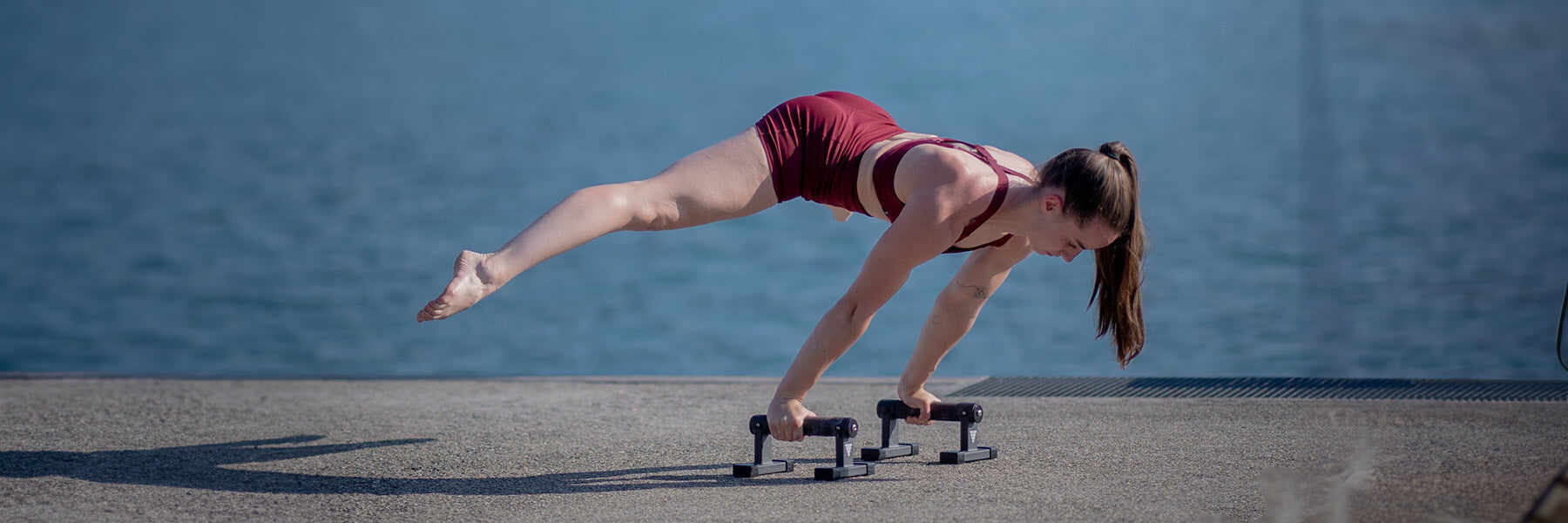
The planche is a highly advanced calisthenics move that requires a tremendous amount of strength. From a static hold, lean forward and lift your legs off the ground, spreading them apart. Your body should sit parallel to the ground, supported only by your arms. On a straight bar this becomes the straight bar planche, a noticeably harder version than the straddle planche on parallettes.

10. Handstand on Bar
Find your balance and kick up into a straight bar handstand. Keep your core engaged and your arms fully locked. Balancing on a bar is harder than on the floor because you can only correct along one axis, so build a solid floor handstand first.

Static Bar Training Plans for Every Level
Listing exercises is easy. Turning them into a week that actually produces progress is the harder part. Here are three programmes, one per level. Run each for 6 to 8 weeks before moving up, and leave 48 hours between sessions that hit the same pattern.
On static holds, end the set when your position starts to sag, not when the timer runs out. On dynamic work, keep 1 to 2 reps in reserve. Statics load tendons far more than muscle, and tendons adapt slower than you'd like.
Beginner Plan — 2 Sessions per Week
| Exercise | Sets | Work | Rest |
|---|---|---|---|
| Bodyweight rows | 4 | 8–12 reps | 90 s |
| Bar dips | 4 | 6–10 reps | 90 s |
| Knee raises | 3 | 10–12 reps | 60 s |
| Tuck L-sit | 3 | 15–20 s hold | 60 s |
| Dead hang | 3 | 30 s | 60 s |
Progression: add one rep per set each week, or 2 seconds per hold. Once you row your chest to the bar with your feet elevated and hold a 20-second tuck L-sit, move to the intermediate plan.
Intermediate Plan — 3 Sessions per Week
| Session | Content |
|---|---|
| Day 1 — Pulling statics | Tucked front lever 6 × 10–15 s · Front lever rows (tuck) 4 × 6 · Bodyweight rows 4 × 12 · Scapula pulls 3 × 10 |
| Day 2 — Pushing and core | Bar dips 5 × 8 · L-sit 5 × 15–20 s · Toes to bar 4 × 8 · Hollow body hold 3 × 30 s |
| Day 3 — Back lever | Tuck back lever 6 × 10–15 s · Back lever negatives 4 × 5 s · German hangs 3 × 20 s · Biceps and shoulder prep 10 min |
Progression: once the tucked front lever holds go past 15 seconds, open to advanced tuck, then one leg out, then straddle. Same ladder for the back lever.
Advanced Plan — 4 Sessions per Week
| Session | Content |
|---|---|
| Day 1 — Front lever | Straddle front lever 6 × 8–12 s · Full front lever attempts 5 × max · Front lever raises 4 × 4 |
| Day 2 — Planche | Straddle planche 6 × 8–12 s · Planche leans 4 × 20 s · Straight bar planche negatives 4 × 5 s |
| Day 3 — Dynamics and handstand | Muscle ups 6 × 3 · Straight bar handstand 6 × 30–45 s · L-sit to handstand 5 × 3 |
| Day 4 — Weighted strength | Weighted pull-ups 5 × 5 · Weighted dips 5 × 5 · Rows 4 × 10 · Core circuit 3 rounds |
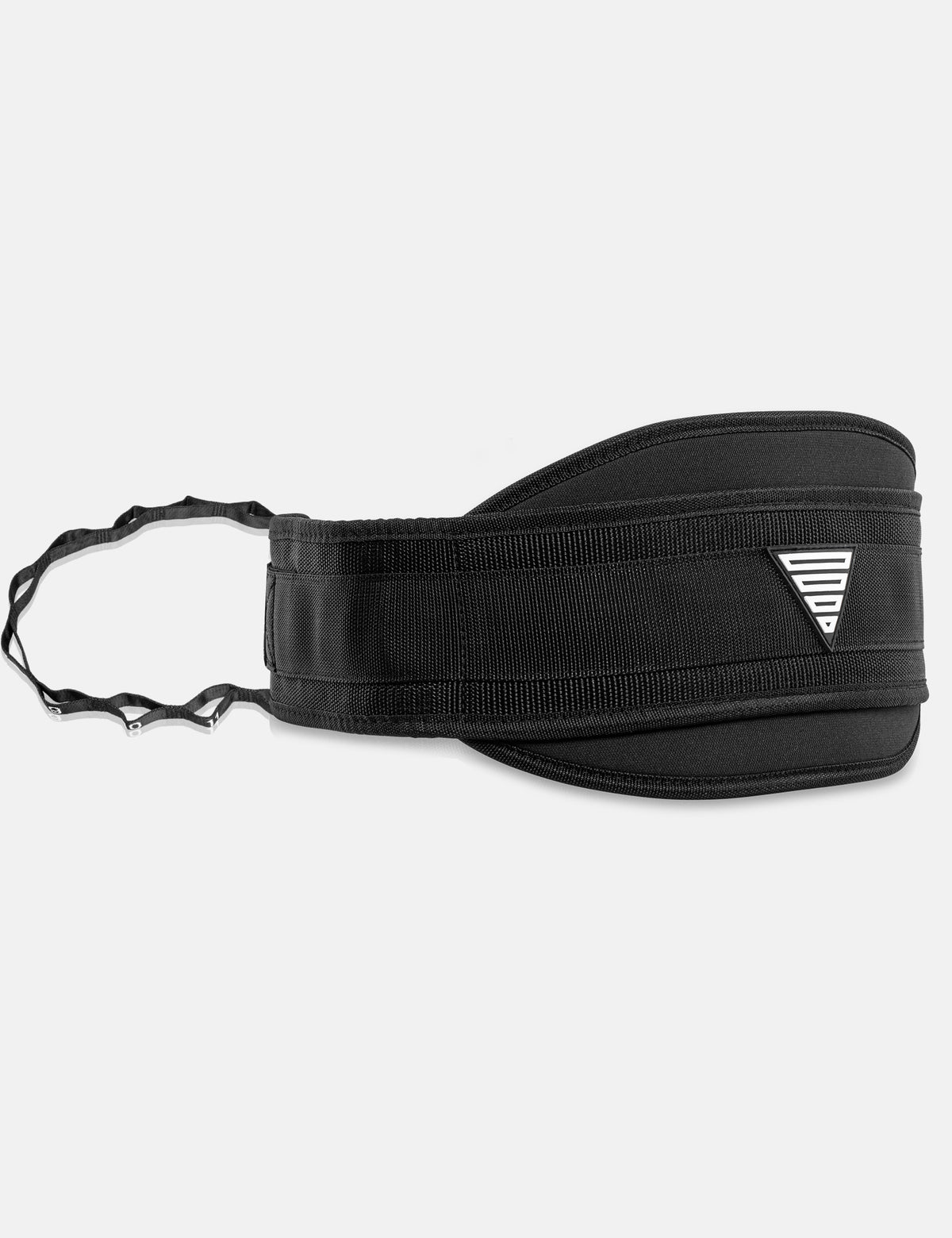
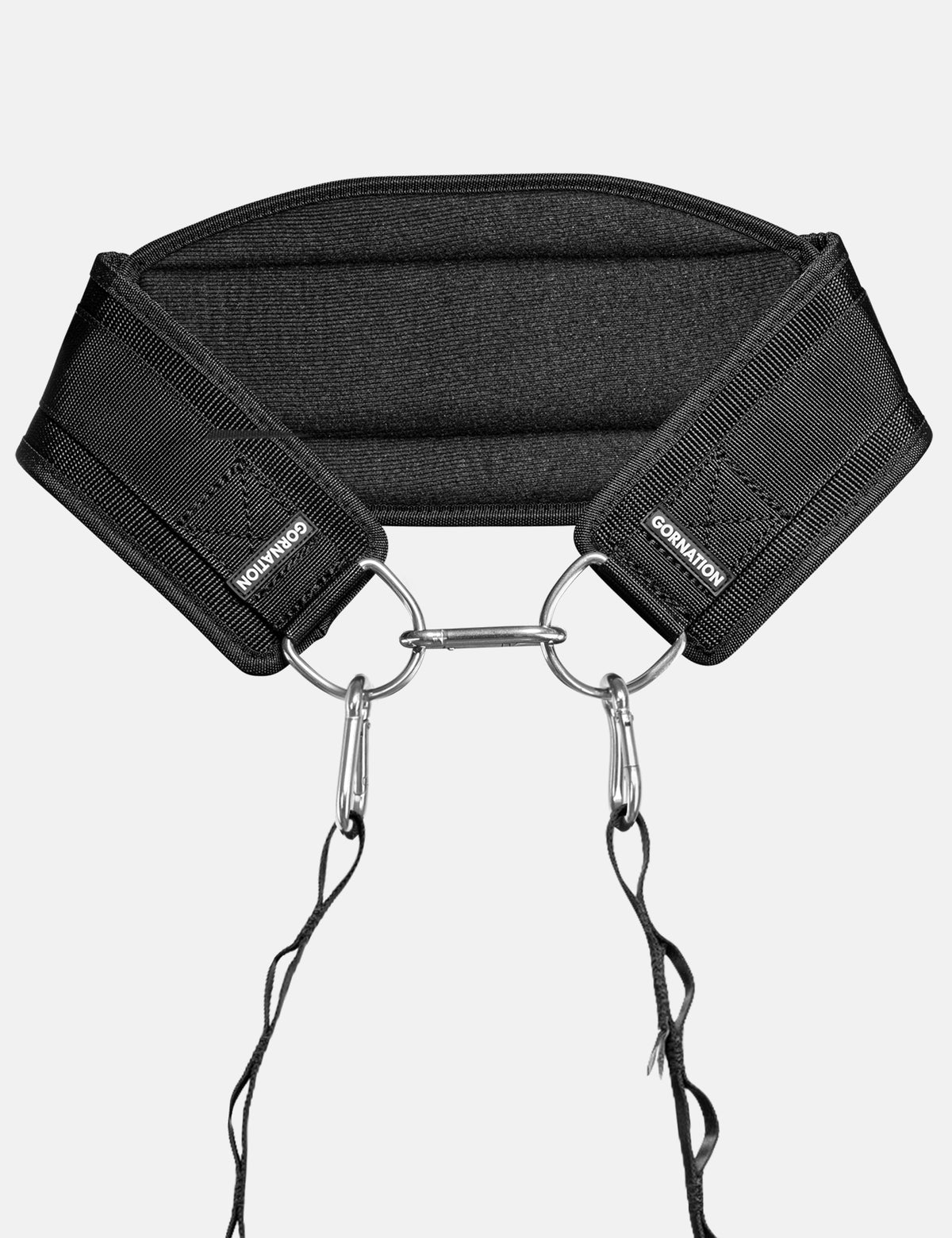
Progression: deload every fourth week by halving the volume while keeping intensity. At this level a planned light week is what keeps you training year-round instead of rehabbing an elbow. Adding load with a dip belt or a weight vest is the cleanest way to keep pushing once bodyweight reps get easy.
What Makes the GORNATION Static Bar Different
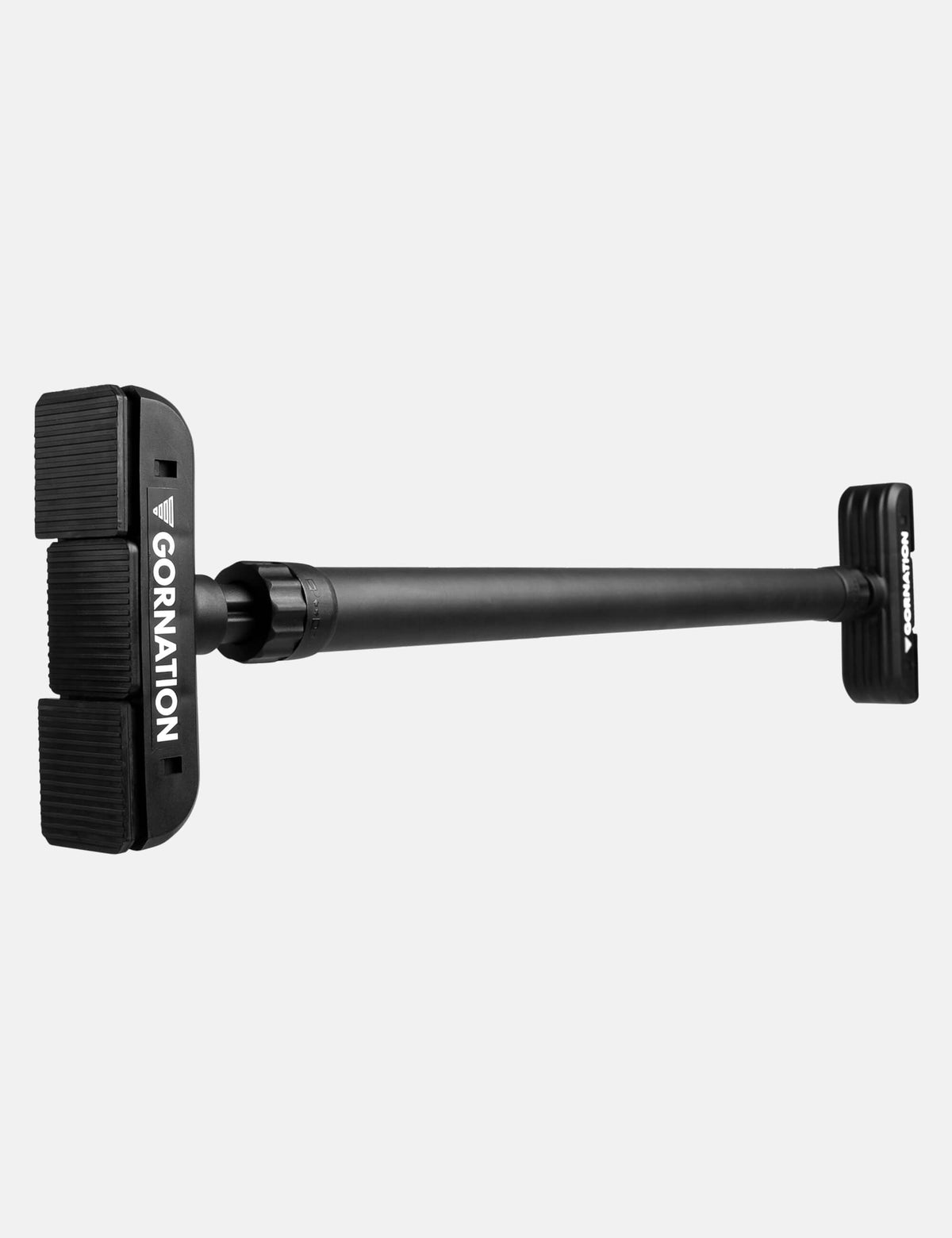
- Non-slip rubber feet so the bar stays put during intense sets.
- Five-piece assembly that goes up in under 5 minutes, tools included.
- Matte powder-coated surface for reliable grip even when your hands get sweaty.
- 25 m of Grip Tape 2.0 included for anyone who wants extra hold.
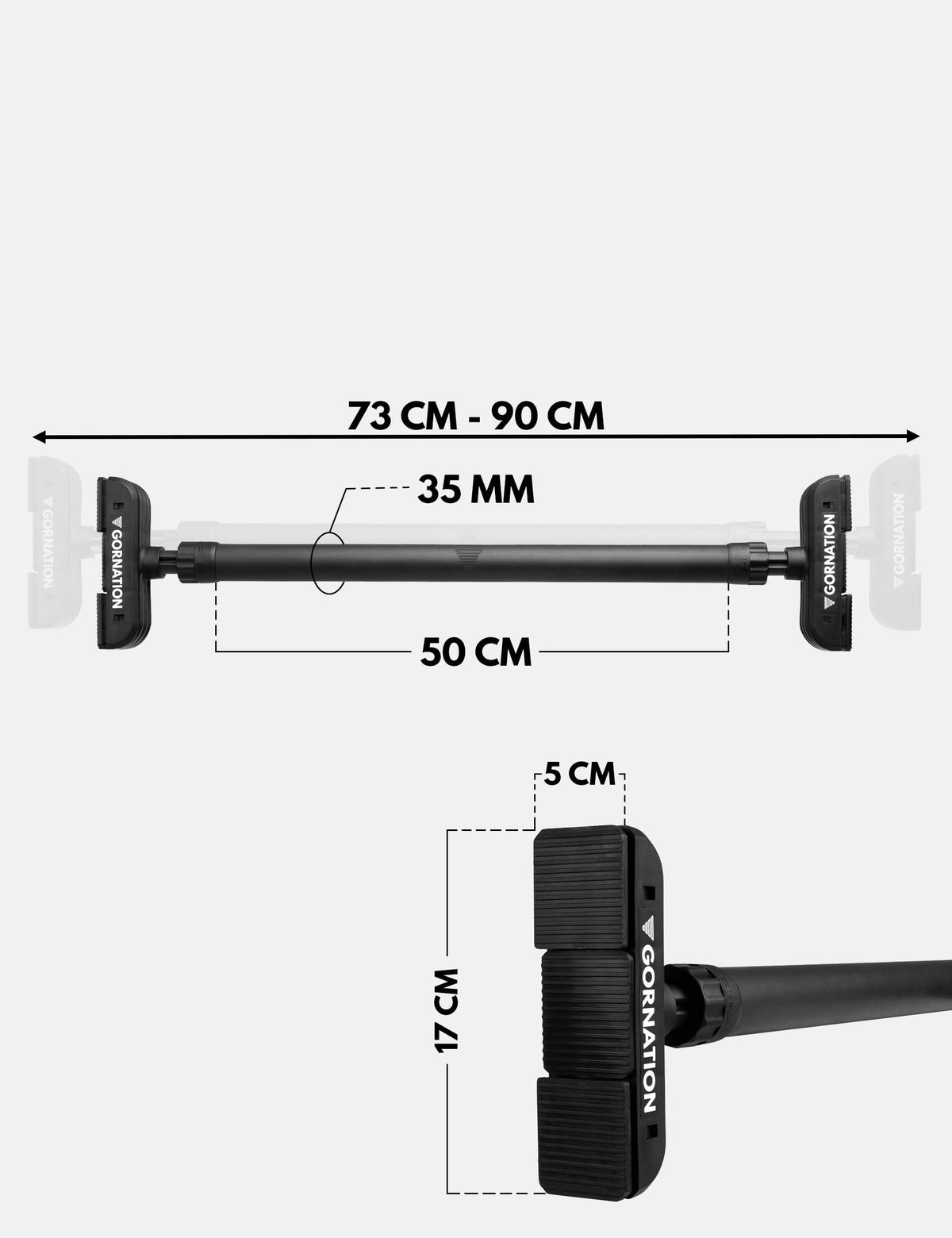
- 40 mm grip diameter, thick enough to spread pressure without wrecking your forearms.
- Fully portable: bedroom, garden, park or lakeside, it goes where you go.

Gear That Pairs Well With the Static Bar
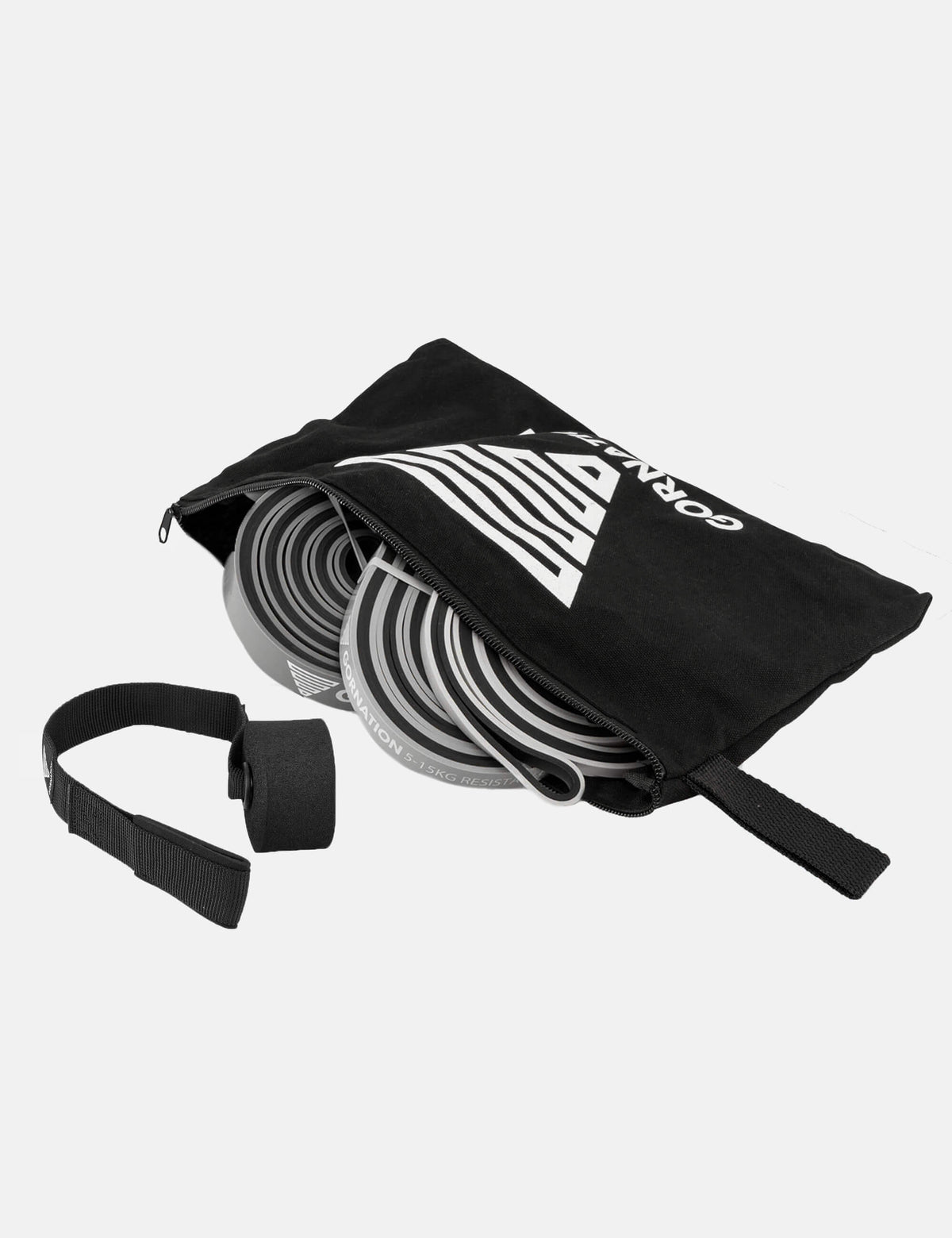
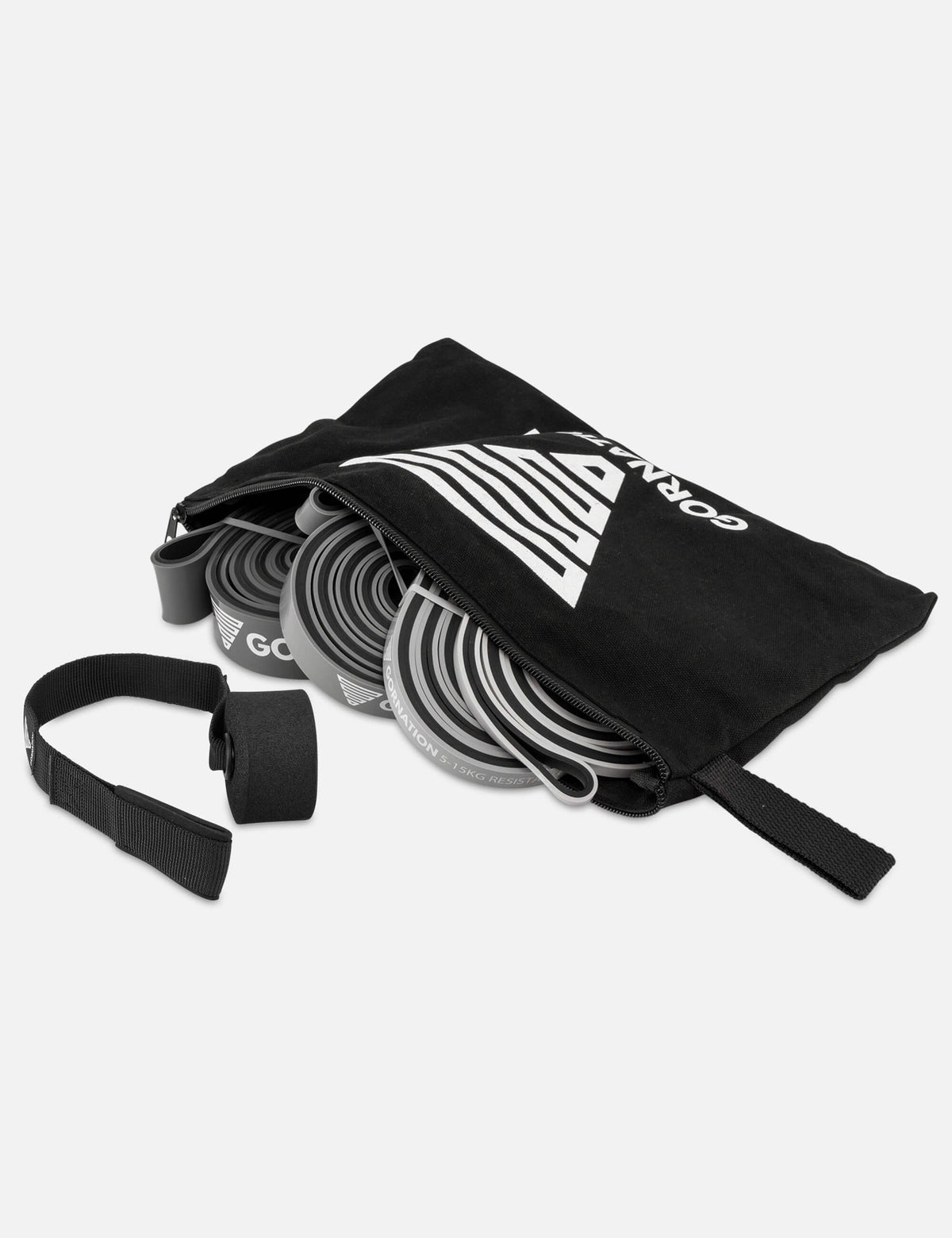
The bar covers pulling and statics. To round out a full setup, add parallettes for pushing work, resistance bands to assist lever and planche progressions, and wrist wraps plus chalk for grip and joint support. Browse the full equipment range to build your own combination.
FAQ — Static Bar and Statics Training
Is the Static Bar suitable for beginners?
Yes. Bodyweight rows, bar dips and knee raises are all accessible from day one, and the chest-height bar makes rows easier to scale than a pull-up bar does. Start with the beginner plan above.
How often should I train statics?
Two to four sessions a week. Beginners do well on two, intermediates on three, advanced athletes on four with a deload built in. Static holds load connective tissue heavily, so more is not automatically better. Our calisthenics workout plan covers how to structure a full week.
How long does it take to learn the front lever?
Most athletes need one to two years of consistent training for a full front lever, with the tucked version arriving in the first few months. Bodyweight, starting pulling strength and patience all shift that number.
Front lever or back lever first?
Back lever tends to come first because it demands less raw pulling strength, but it stretches the biceps tendons in a vulnerable position. Whichever you start with, build up through tucked and straddle stages rather than jumping to the full version.
Can I do a full workout with the Static Bar alone?
You can build an excellent pulling, core and statics session with the bar on its own. Pair it with parallettes or workout rings for pushing volume, plus some lower body training.
What if my elbows hurt during lever training?
Stop the set and cut your static volume for a week or two. Elbow pain in statics almost always means load added faster than the tendons adapted. Rebuild with shorter holds, a proper warm-up and elbow sleeves before returning to your previous numbers.
Do I need grip tape or chalk?
Neither is mandatory, but both help once sessions get long. Grip tape adds permanent texture to the bar, while liquid chalk handles sweat and is easier to use in shared spaces.
Conclusion
Mastering these ten exercises on the GORNATION Static Bar will build your static skills and give you a complete upper body workout across multiple muscle groups. Pick the plan that matches your level, run it for a couple of months and let progressive overload do the work. Whether you're starting out or chasing the full planche, the Static Bar is a training partner you can set up anywhere. Happy training.