| 7,000+ Reviews
 Free EU Shipping above 100€*
 400,000+ Customers Worldwide
 Worldwide Tracked Shipping


What Is Freestyle Calisthenics?
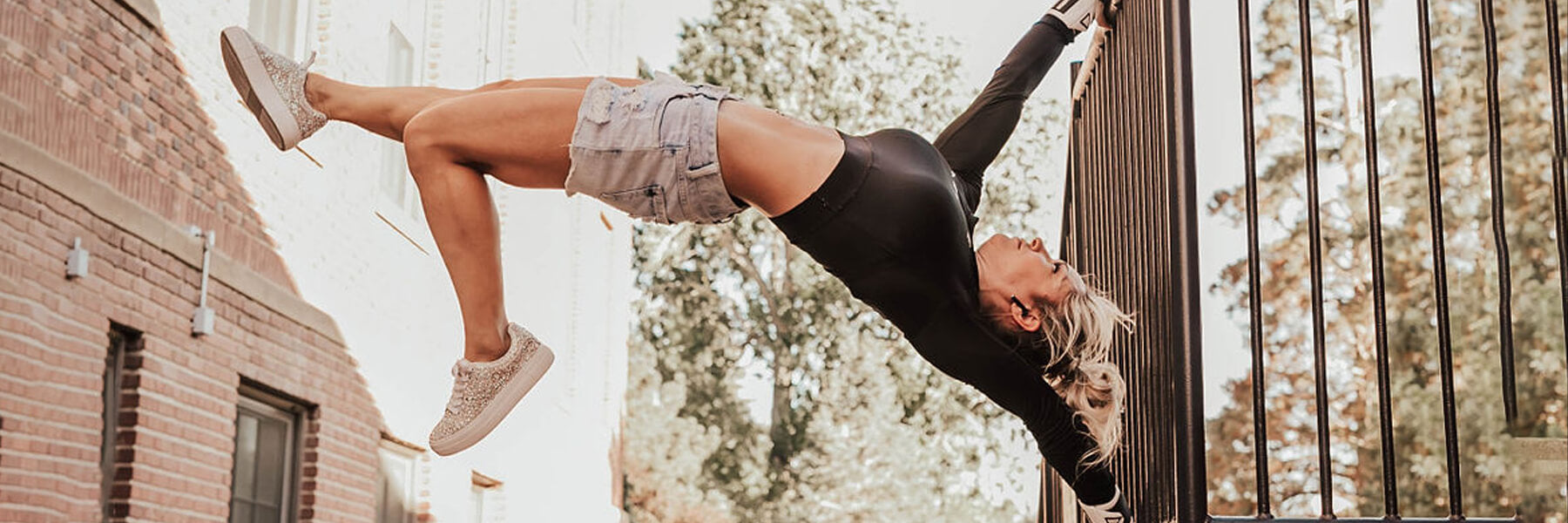
In freestyle calisthenics, there is no end to an athlete's creativity. It is about combining different skills from the world of statics and dynamics. Many athletes develop their own style and use different variations of the same skill, which leads to entirely new combinations.
Building a solid strength base first is a big advantage, because most skills demand a lot of raw pulling and pushing power. Good mobility matters just as much: dynamic skills such as the 360, shrimp flip or geinger become far easier to learn when your shoulders and hips move freely.
Once you have mastered the basics and no longer feel the need to focus on them exclusively, you can move on to skills. Still, it is important not to neglect the basics completely. Keep basic training days in your weekly routine to keep your joints healthy and strong.
Next to freestyle, there is also the field of statics, which is only about mastering strength holds — the dynamic part is left out entirely. If your goal is to combine statics and dynamics in your training, freestyle calisthenics is the right place for you.
To get a better idea of what is possible, watch this short video:
4 Reasons to Start Freestyle Calisthenics
1. Master Your Body
Freestyle calisthenics requires more than strength. It also asks for endurance, mobility, balance and a lot of patience. You don't have to be the best in every area — you can put the focus where you enjoy it most. The real benefit is that you improve in several areas at once and get many steps closer to full body control.
2. Break Boundaries and Overcome Fear
The dynamic side of freestyle demands real courage, because unfamiliar movements naturally trigger fear. The upside: every new skill you learn is a fear you have beaten. That self-confidence carries over — you move into new combos more boldly and keep learning faster. Just make sure your recovery is sufficient, so that motivation doesn't turn into injury.
3. Total Freedom
In freestyle calisthenics there is no right or wrong. You can give free rein to your creativity and bring your own elements into your combos. Athletes with a freerunning background often use flip variations to score higher in the dynamics category. In statics, you can vary skills like the planche or the front lever simply by changing your grip. You are not tied to a fixed rulebook, and you work on the skills you enjoy most.
4. It's a Lifestyle
Think of freestyle calisthenics like skating. For most athletes, it is a lifestyle rather than a workout. You meet friends at the calisthenics park, train together, try new skills and learn from each other. Over time new people join in, and a community grows around the same goals: have fun and keep developing.
How to Get Started With Freestyle Calisthenics
- Train together with friends — spotting each other makes dynamic skills far safer
- Use mats or a foam pit for your first attempts at any rotation
- Choose a wide bar if possible: more room means more freedom to try out skills
- Keep basics days in your programme (pull-ups, dips, push-ups) to strengthen your joints and avoid injury
- Stretch regularly, work on your mobility and respect your recovery
- Learn from other athletes — our interviews are full of practical tips from the scene
- Don't lose hope when a skill refuses to work. Even the best athletes collected years of failed attempts first
On the mobility side, this interview with Moving Monkey is a good place to start:
The Best Equipment for Freestyle Calisthenics
1. Wrist Wraps
Wrist wraps keep your wrists warm and add stability during your performance, without restricting your freedom of movement. Statics in particular put a heavy load on the wrists, which often ends in pain.

2. Elbow Sleeves
Elbow sleeves work the same way as wrist wraps. Your elbows stay stabilised and warm, and the risk of injury drops. It also happens that you hit your elbows on the bar when a combo goes wrong — they absorb that impact.

3. Liquid Chalk
In freestyle calisthenics, grip is everything. Without it your performance suffers and you slip off the bar. When you are learning new skills, a lack of grip is very often the reason a 360 doesn't get caught — this is where liquid chalk makes an immediate difference.

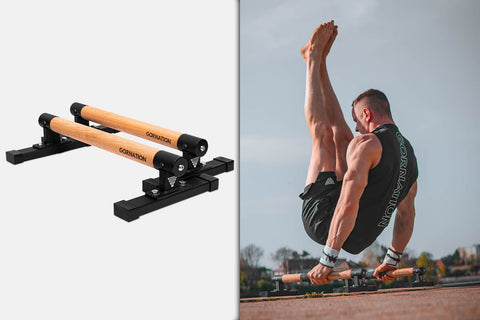
4. Parallettes
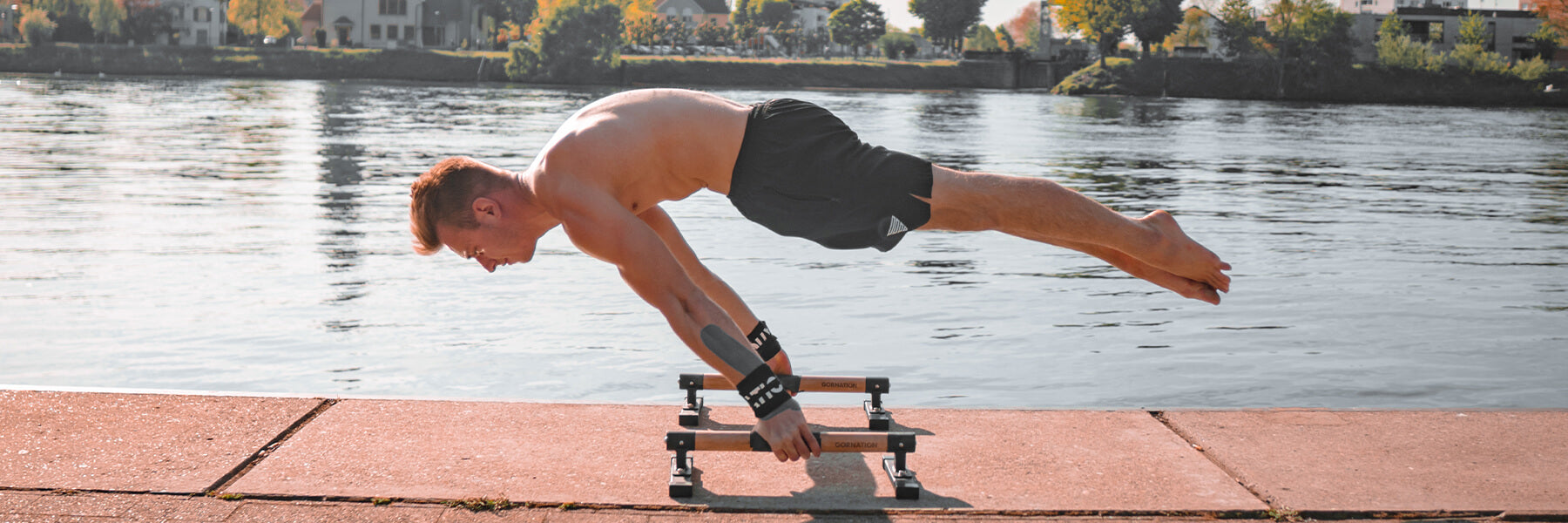
Parallettes are used in statics training to learn or improve skills such as the planche, the handstand or the handstand flag. These holds are harder on the floor and not always possible. With a solid pair you add variation to your training and take a skill to the next level.
5. Resistance Bands
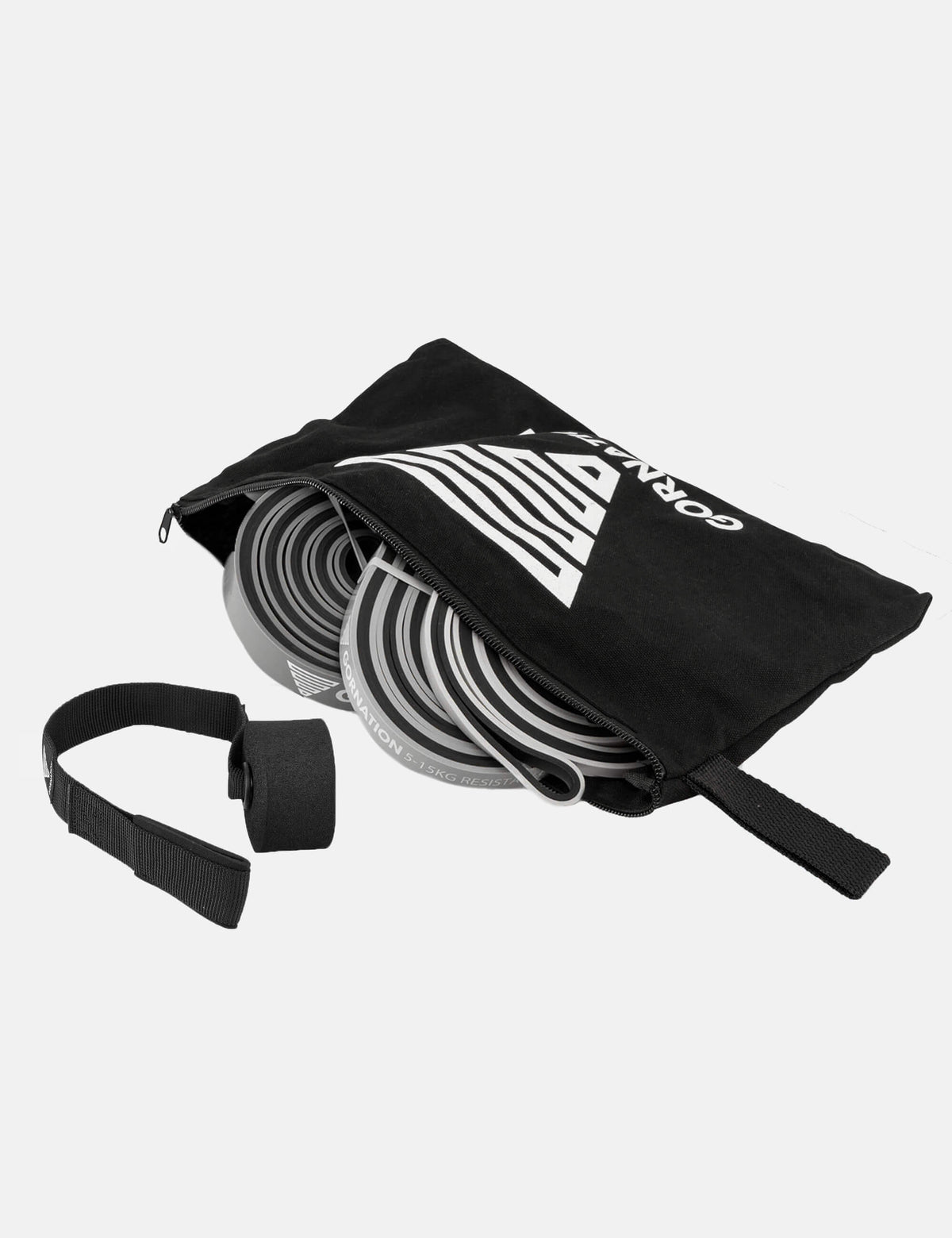
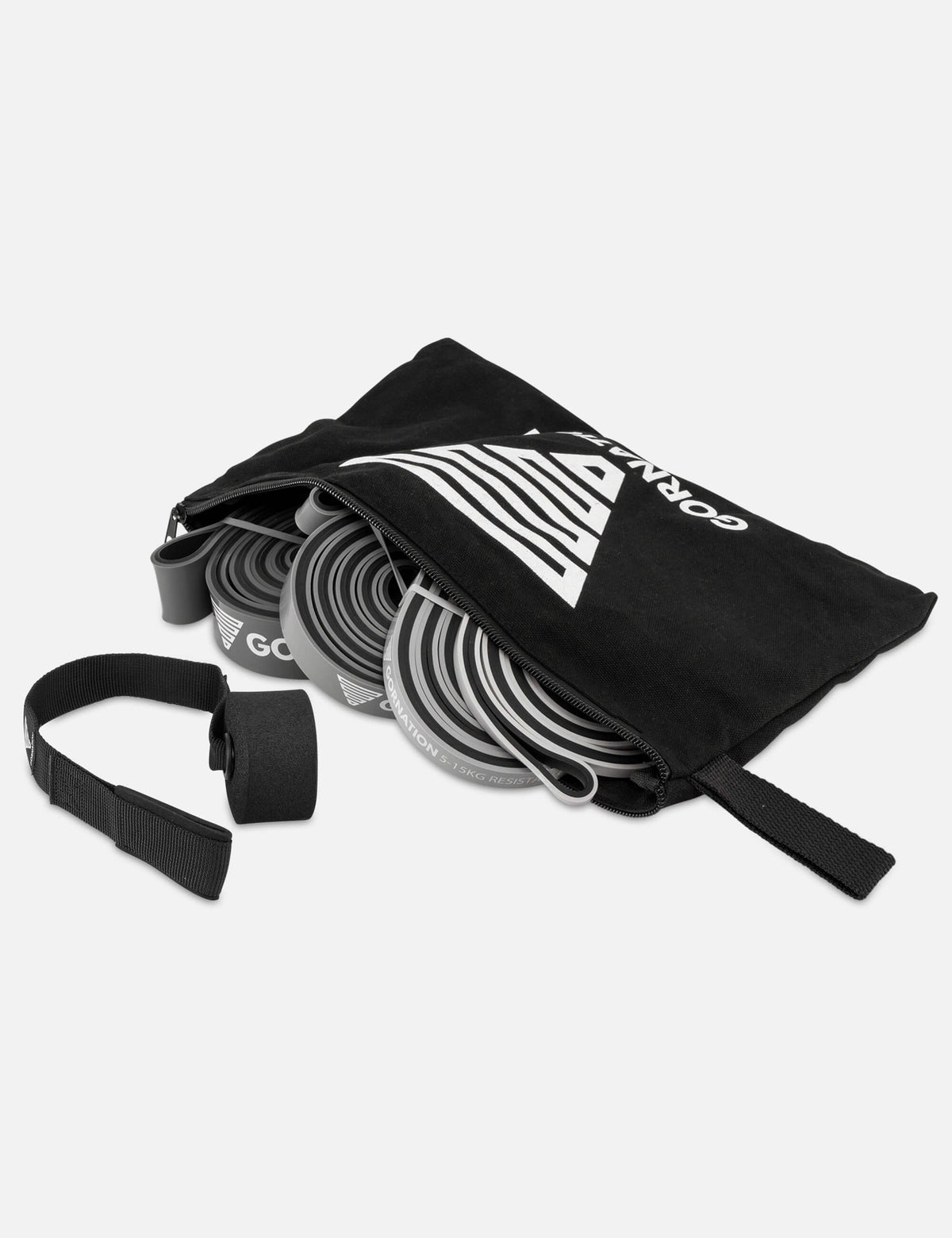
Resistance bands help you learn every kind of strength skill, whether it's the front lever, the planche, the hefesto or the back lever. Read more about exercises and benefits of resistance bands in our blog article.

6. Workout Grips
Dynamics build calluses on your hands very quickly, and calluses lead to pain. Often you have to take a few days off and can no longer give 100% in your workout. Workout grips protect your palms and give you a better hold on the bar at the same time.

Freestyle, Statics or Streetlifting: Which One Fits You?
Calisthenics is not one single discipline, and knowing where you stand helps you programme your training properly.
Freestyle mixes dynamic bar moves with static holds and rewards creativity, rhythm and courage. Statics is purely about holding positions such as the planche, the front lever or the human flag — maximum tension, zero rotation. Streetlifting goes the opposite way: weighted pull-ups, dips, squats and deadlifts, where only the load on the bar counts.
Most athletes end up combining them. A streetlifting block builds the pulling strength that a clean muscle up demands, and statics work gives you the body tension you need to catch a dynamic skill without collapsing. If you are still at the beginning, start with the basics and choose your direction once your first ten strict pull-ups are in the bank.
Frequently Asked Questions About Freestyle Calisthenics
How Long Does It Take to Learn a First Freestyle Skill?
With a solid base of ten to twelve strict pull-ups, most athletes catch their first simple dynamic skill within two to four months of consistent practice. Progress depends far more on how often you attempt the movement than on how strong you already are.
Do You Need a Foam Pit to Train Freestyle?
No, but you do need something to fall on. Gymnastics mats under the bar are enough for most beginner skills, and they remove the fear that stops people from committing to a rotation. A foam pit only becomes useful once you attempt full flips and releases.
Can You Train Freestyle Calisthenics at Home?
Partly. Statics, mobility and basics work perfectly at home with a pull-up bar and a set of parallettes. The dynamic skills need a high bar with clearance around it, which usually means a calisthenics park or a gym with a proper rig.
How Often Should You Train?
Three to four sessions a week is the sweet spot for most athletes: two skill sessions and one to two basics sessions. Dynamics are demanding on the joints and the nervous system, so a rest day between skill sessions does more for your progress than an extra workout.