| 7,000+ Reviews
 Free EU Shipping above 100€*
 400,000+ Customers Worldwide
 Worldwide Tracked Shipping

How to do the exercise
Hanging Knee Raises are one of the most effective calisthenics exercises for building strong abs, especially the lower abdominal muscles. The movement strengthens your core while improving grip and body control on the pull up bar. When performed with proper technique, Hanging Knee Raises help you develop a stronger and more stable midsection for many other calisthenics skills. Here’s how to perform the exercise correctly:
1. Starting Position
Hang from a pull up bar with your hands slightly wider than shoulder width. Keep your arms straight and actively pull your shoulders down to create tension. Engage your core and keep your body stable without swinging.
2. Initiate the Movement
Start the movement by tightening your lower abs and slowly lifting your knees upward. Focus on bringing your knees toward your chest while maintaining control throughout the movement.
3. Control the Motion
Lift your knees as high as possible toward your chest to maximize abdominal activation. Avoid using momentum or swinging. Your core should control the entire movement, especially the lower abdominal muscles.
4. Lower and Repeat
Slowly extend your legs back down until they are straight again. Keep tension in your core and avoid losing control at the bottom. Repeat for the desired number of repetitions to build strong and defined abs.
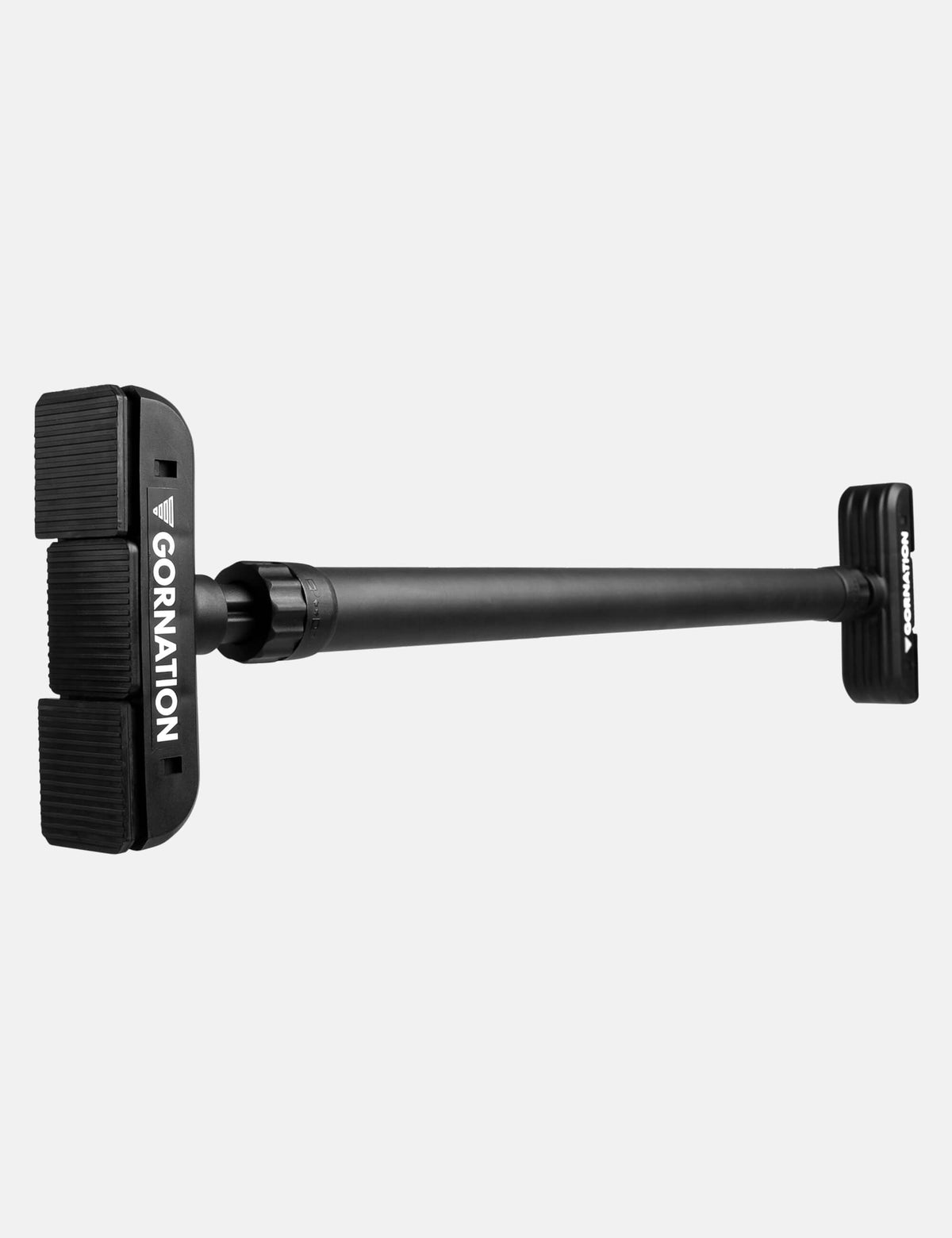
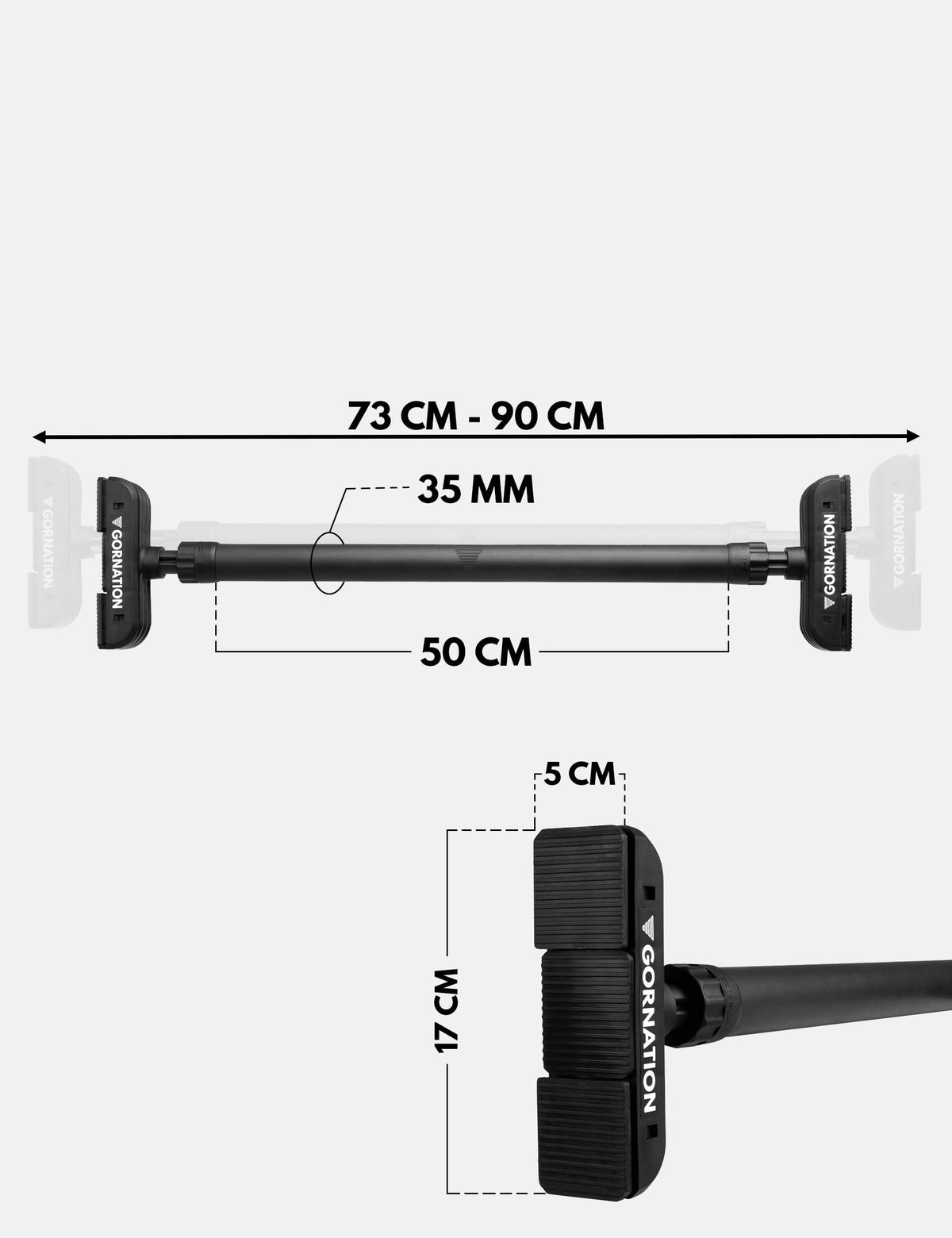
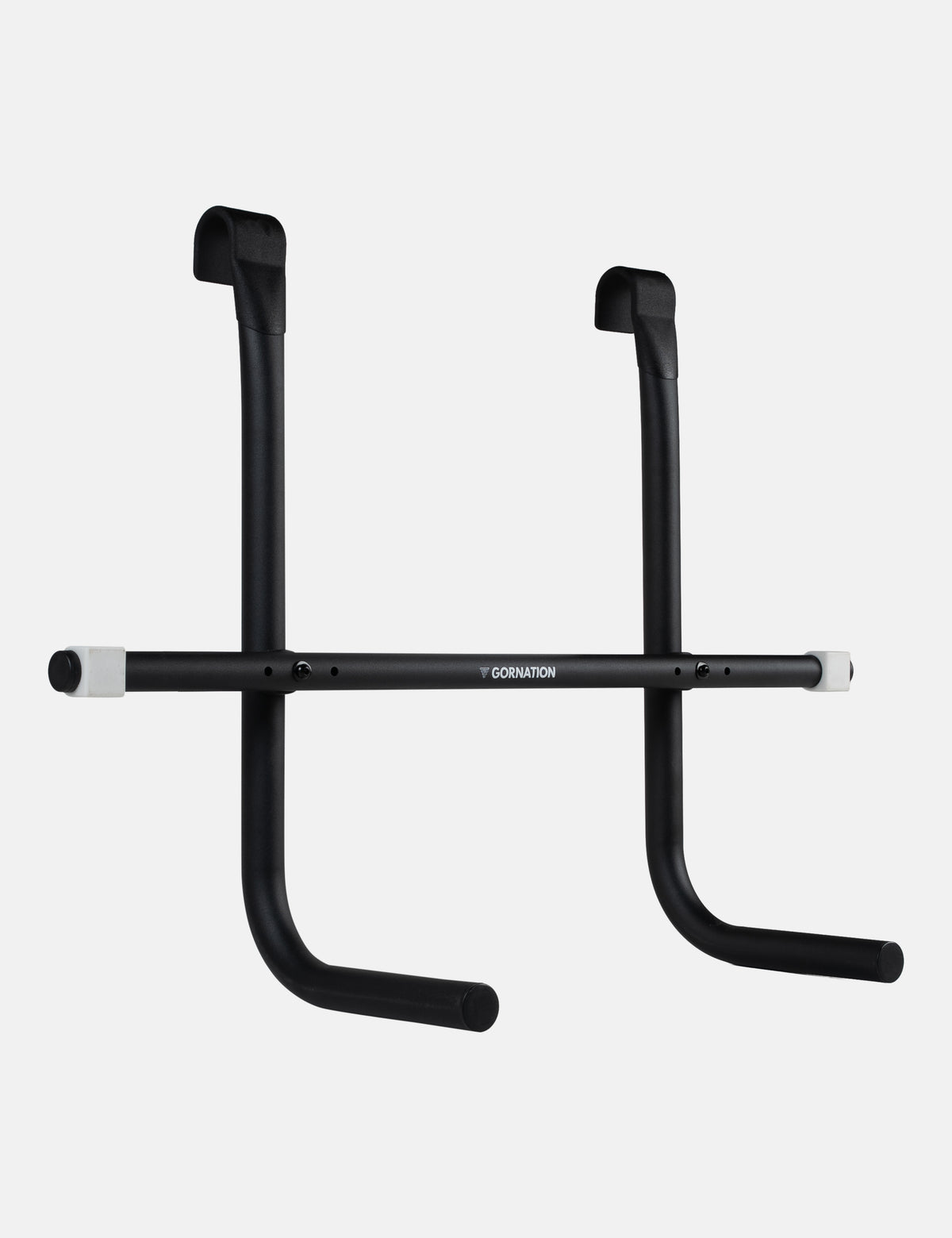
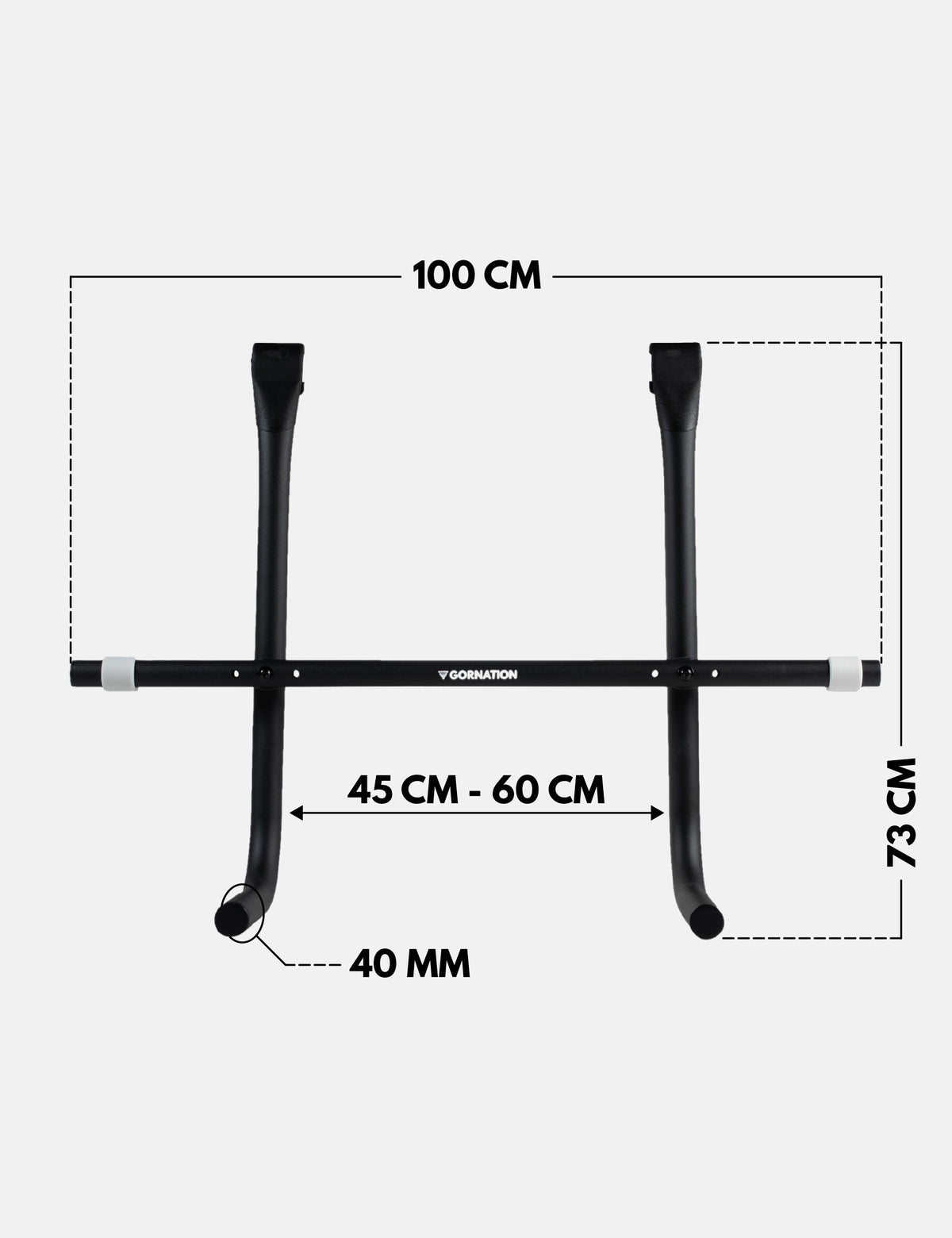
Recommended Equipment for Hanging Knee Raises


Benefits of the exercise
Hanging Knee Raises are a powerful bodyweight exercise for developing core strength and improving control during calisthenics movements:
-
Strengthens the abdominal muscles, especially the lower abs
-
Improves core stability and body control while hanging
-
Develops grip strength and shoulder stability
-
Great preparation for advanced core skills like Toes to Bar or L-Sit
By regularly performing Hanging Knee Raises, you build a stronger core that supports many other calisthenics exercises and improves overall athletic performance.
Main muscles used
The Hanging Knee Raise primarily targets:
-
Lower abdominal muscles
-
Rectus abdominis (abs)
-
Hip flexors
-
Core stabilizers for body control
This exercise helps strengthen the entire core while improving stability during hanging movements.
If you're looking for other exercises, check out our Youtube video:
Mistakes to avoid
Although Hanging Knee Raises look simple, poor technique can reduce effectiveness or cause unnecessary strain. Common mistakes include:
-
Swinging the body: Keep your core tight and avoid using momentum.
-
Not lifting the knees high enough: Aim to bring your knees close to your chest for maximum abdominal activation.
-
Relaxed shoulders: Actively engage your shoulders to maintain a strong hanging position.
-
Dropping the legs too quickly: Control the lowering phase to keep tension in your abs.
Focus on slow, controlled repetitions and strong core engagement to get the most out of your Hanging Knee Raises.
Discover more Exercises
Looking for more ways to level up your training? Check out our full exercise overview or try these effective exercises that perfectly complement your training:
Please read our legal disclaimer before starting your workout.