| 7,000+ Reviews
 Free EU Shipping above 100€*
 400,000+ Customers Worldwide
 Worldwide Tracked Shipping

How to do the exercise
The V-Sit is an advanced calisthenics core exercise that builds extreme compression strength, flexibility, and body control. As a progression from the L-Sit, it challenges your hip flexors and core to lift your legs higher while maintaining balance. Here’s how to perform the V-Sit correctly:
1. Starting Position
Place your hands on parallettes, dip bars or the floor next to your hips. Push yourself up into an L-Sit with your arms fully extended, shoulders depressed, and legs straight in front of you.
2. Lift Into the V Position
From the L-Sit, actively lift your legs higher by compressing your core and hip flexors. Aim to bring your legs up to around a 45-degree angle or higher while keeping them straight.
3. Lean Back Slightly
Shift your upper body slightly backward to balance the higher leg position. Keep your chest lifted and avoid collapsing through the shoulders while maintaining full control.
4. Hold and Control the Descent
Hold the V-Sit position as long as possible with straight legs and strong core tension. Then lower yourself back down in a controlled manner and repeat for multiple sets.
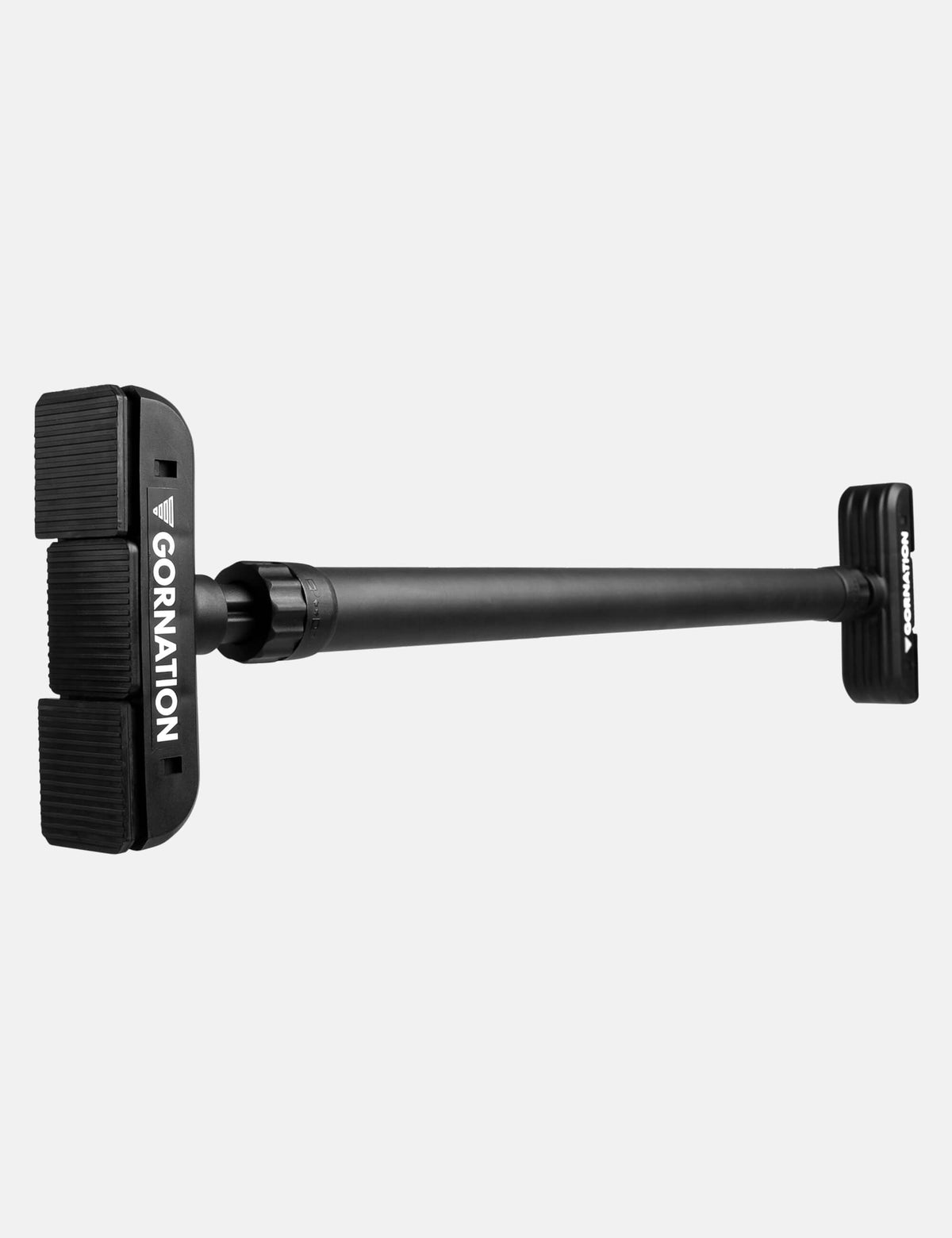
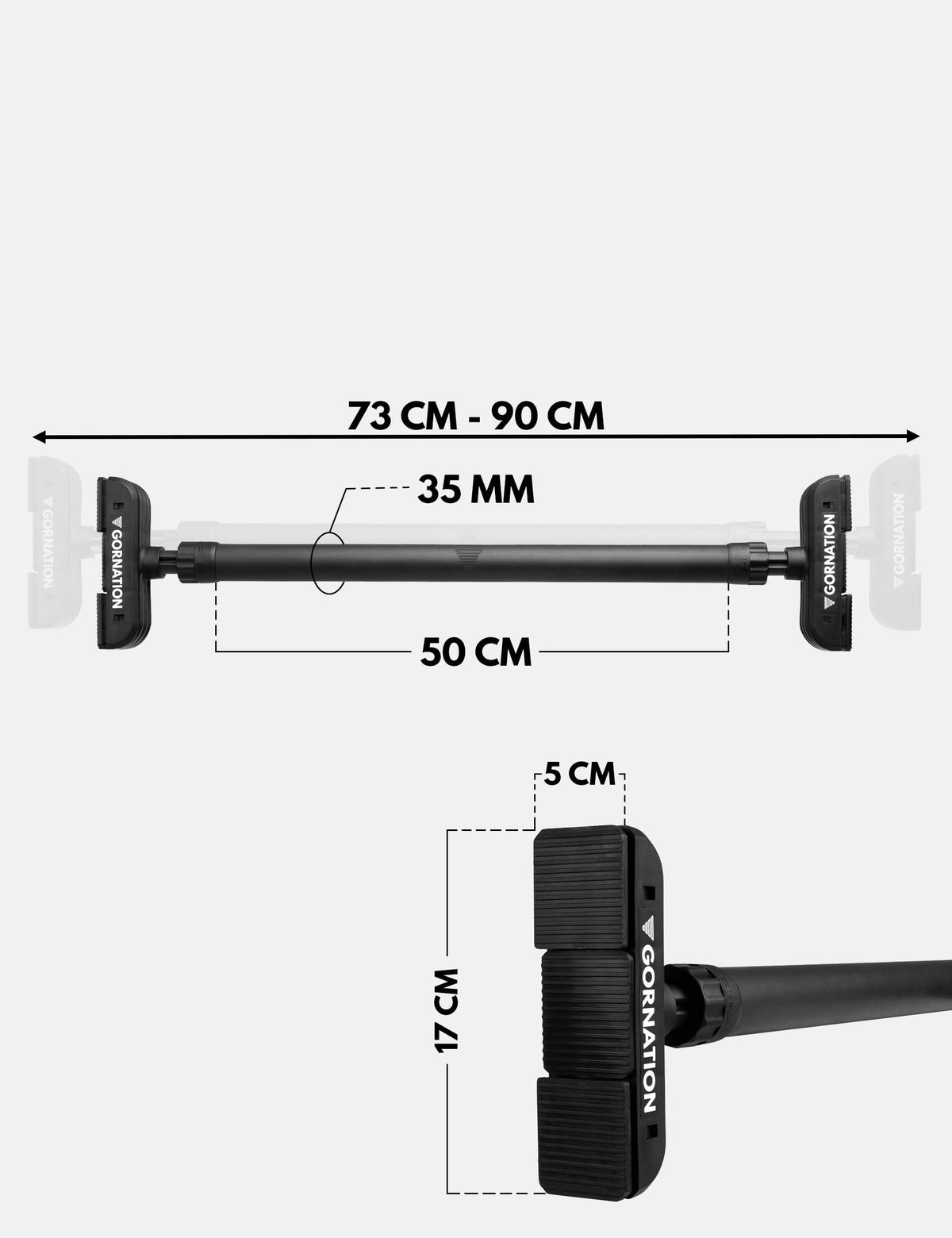
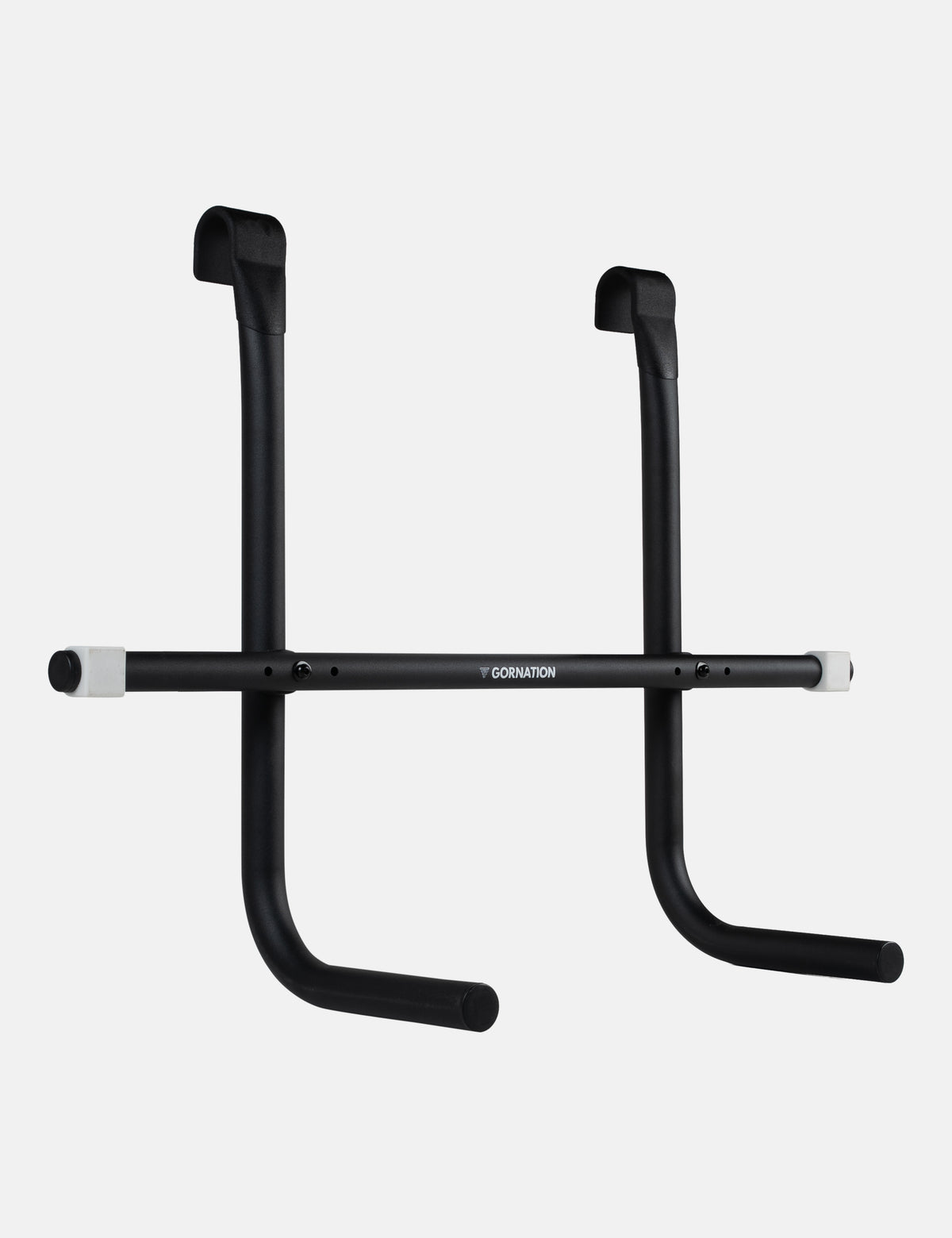
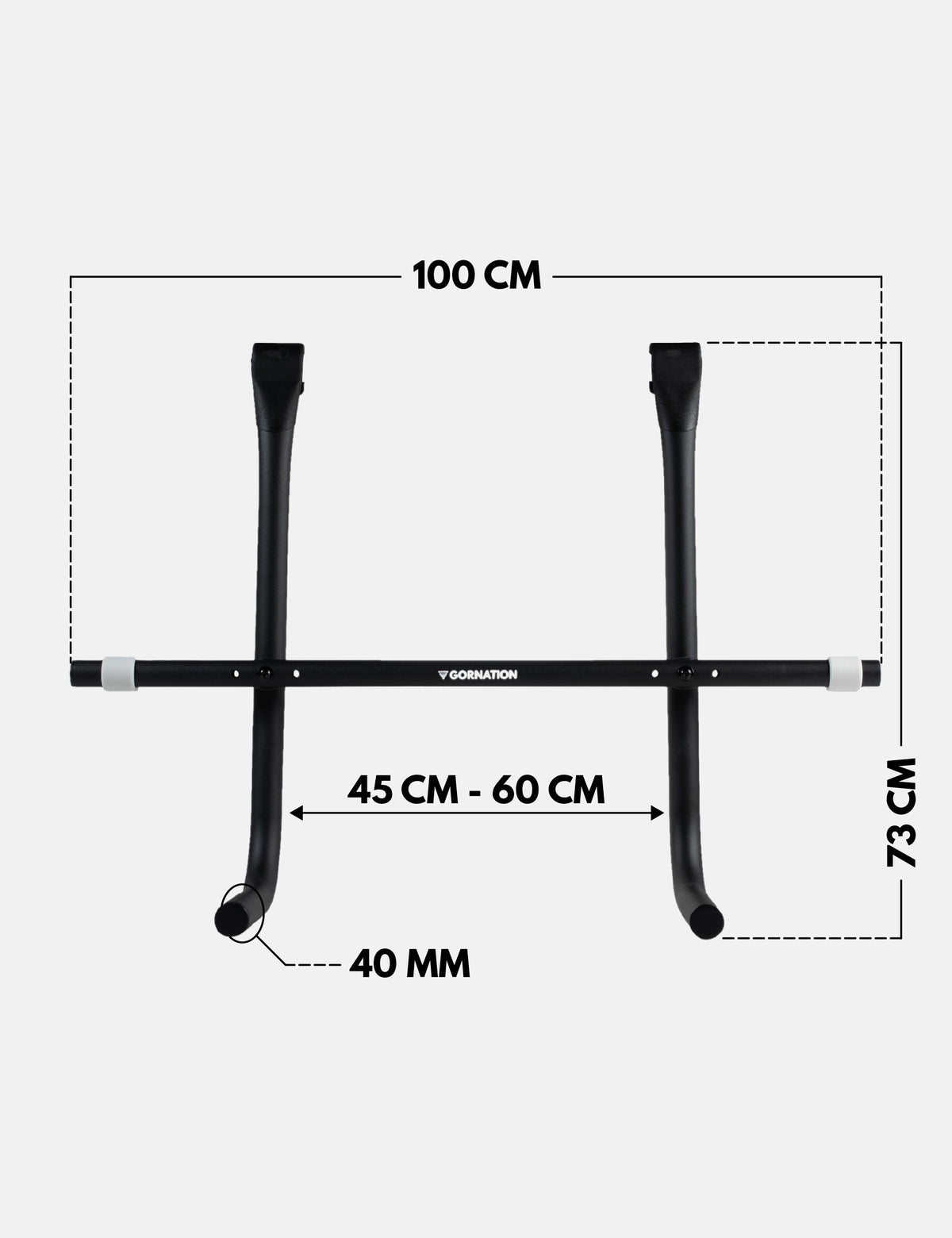
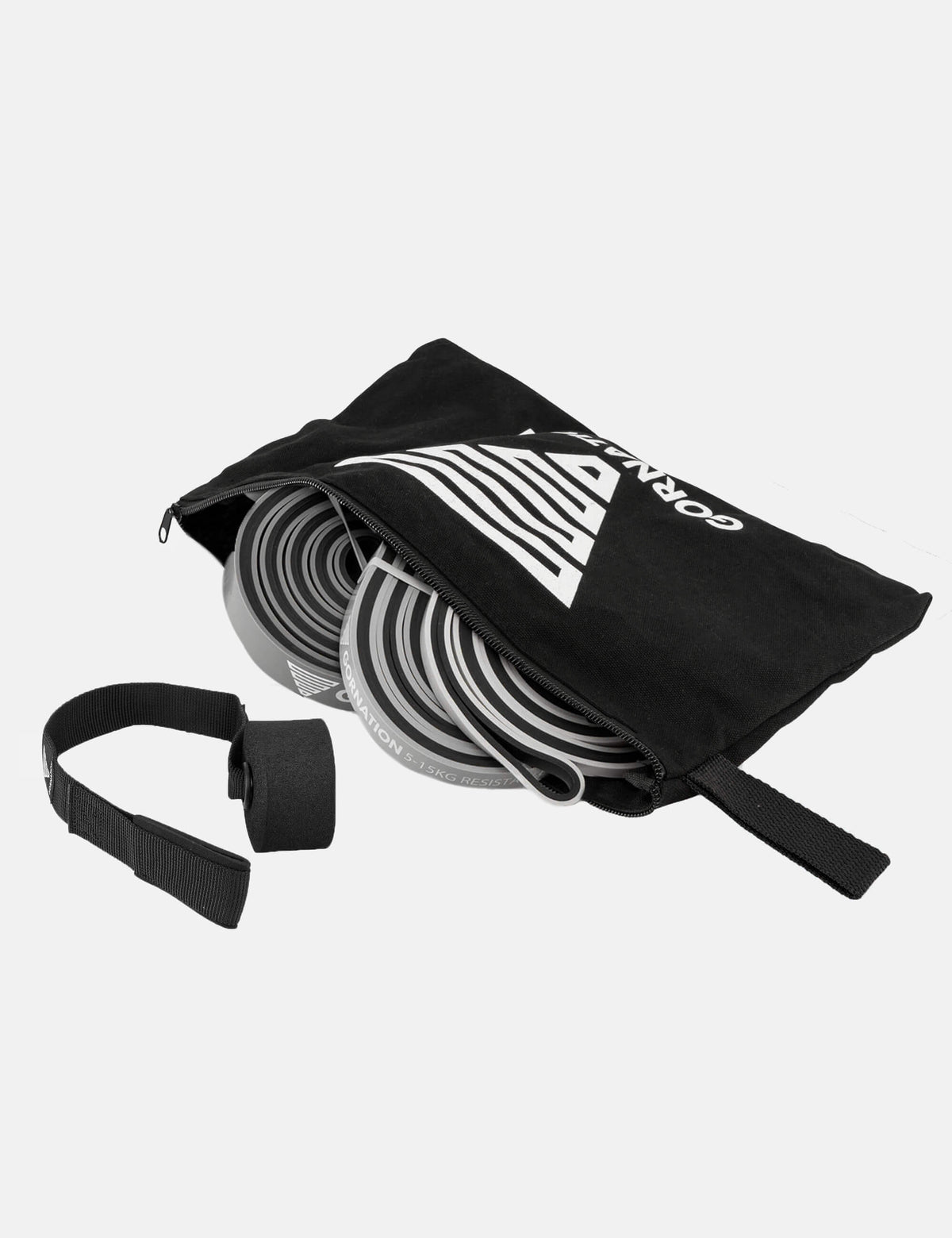
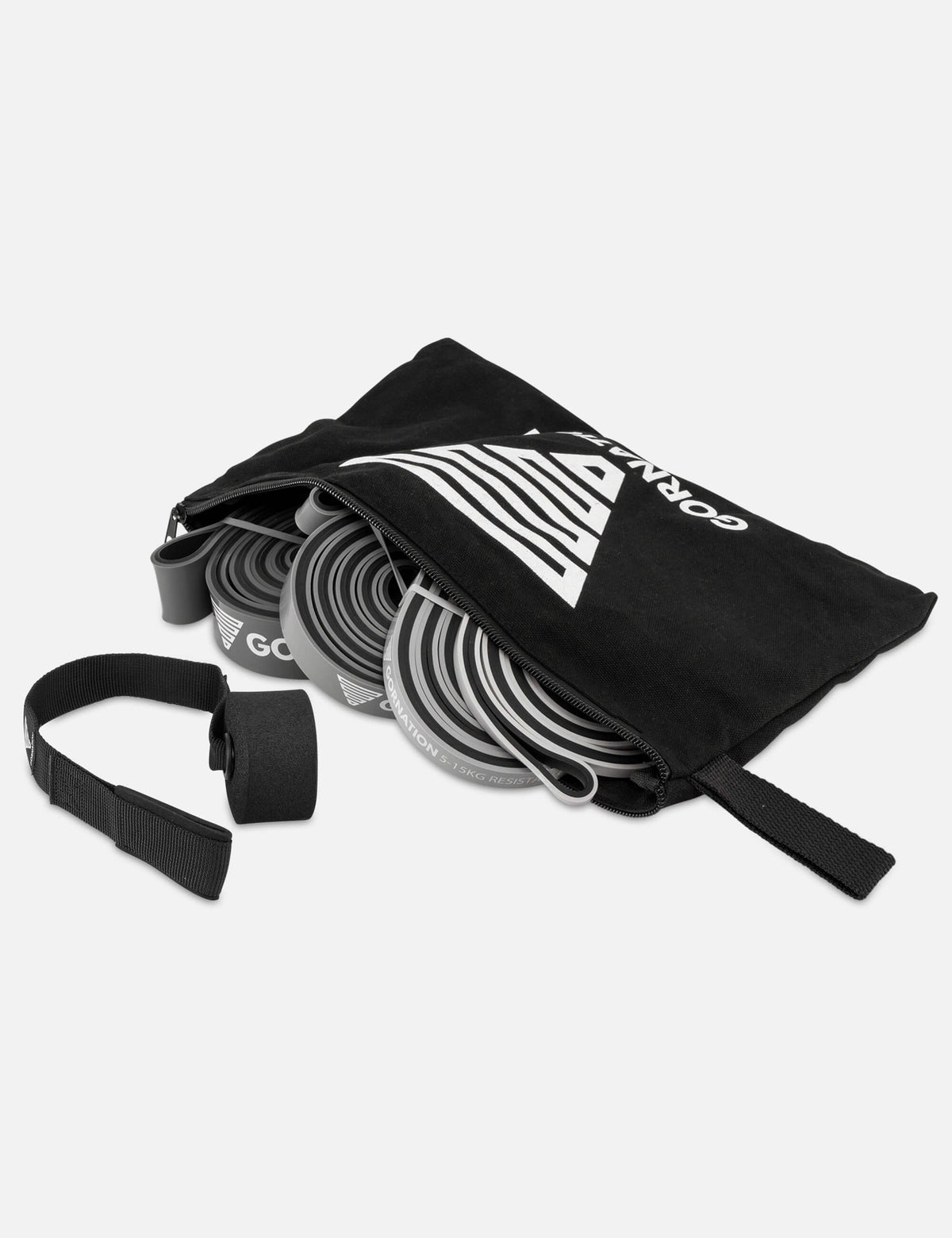
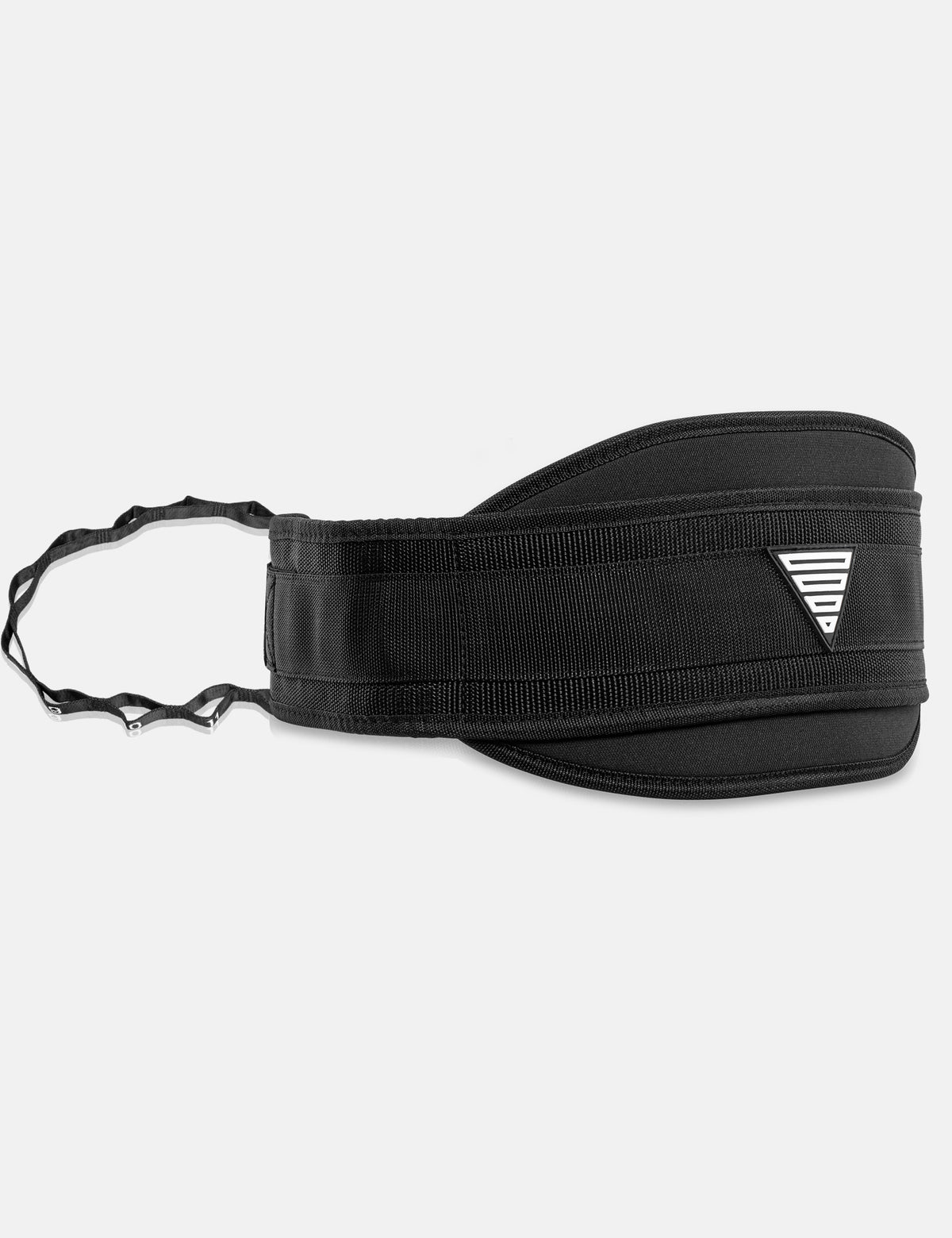
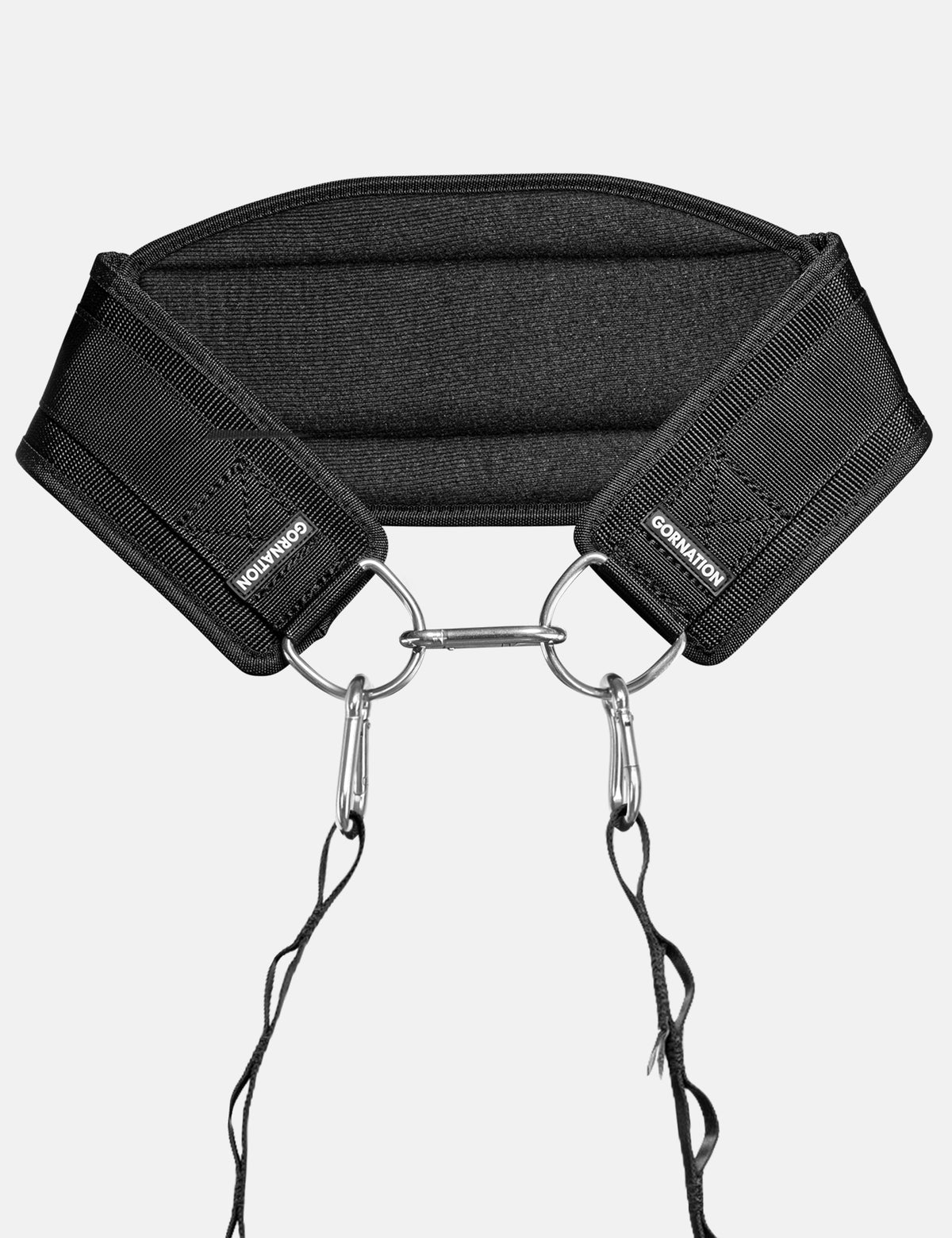
Recommended Equipment for the V-Sit


Benefits of the exercise
The V-Sit is a key progression in calisthenics that builds elite-level core strength and compression:
-
Develops strong hip flexors and core compression
-
Improves flexibility and active mobility
-
Enhances balance and body control
-
Prepares you for advanced skills like Manna and press movements
Mastering the V-Sit gives you a strong foundation for high-level static skills and better overall body control.
Main muscles used
The V-Sit primarily targets:
-
Core muscles (especially lower abs)
-
Hip flexors
-
Shoulders for stabilization
-
Quadriceps
This exercise is essential for building compression strength and control in advanced calisthenics movements.
If you're looking for other exercises, check out our Youtube video:
Mistakes to avoid
The V-Sit is technically demanding, so proper form is key. Avoid these common mistakes:
-
Bent legs: Keep your legs straight to maximize compression and effectiveness.
-
Collapsing shoulders: Stay pushed up and stable to protect your joints.
-
Insufficient lean: Slightly lean back to balance the position properly.
-
Lack of flexibility: Tight hamstrings can limit your leg height and progress.
Focus on clean form and progressive overload to build strength and control in this advanced skill.
Discover more Exercises
Looking for more ways to level up your training? Check out our full exercise overview or try these effective exercises that perfectly complement your training:
Please read our legal disclaimer before starting your workout.