| 7,000+ Reviews
 Free EU Shipping above 100€*
 400,000+ Customers Worldwide
 Worldwide Tracked Shipping


Calisthenics is a bodyweight training method that builds strength, flexibility and endurance with minimal equipment. Once the basics feel easy, progress only continues if you start challenging yourself with advanced skills. Below are seven advanced calisthenics exercises to test your limits, along with a training plan for each stage of your journey and a FAQ covering the questions that come up most often.
What Makes an Exercise "Advanced"?
Advanced calisthenics is not about doing more repetitions. It's about leverage. A front lever is a row you can't cheat, a planche is a push-up with your bodyweight moved as far from your hands as physically possible. That shift changes what training looks like: you stop counting reps and start counting seconds, and the limiting factor becomes connective tissue rather than muscle.
This matters for how you approach the seven skills below. Each one has a ladder of progressions, and skipping rungs is the single most common reason athletes end up with elbow or shoulder pain instead of a new skill. Build the prerequisites, then chase the skill.
1. Handstand
The handstand is a foundational skill that demands strength, balance and coordination in equal measure. Start with wall-assisted progressions before moving on to freestanding work, and expect the balance itself to take longer than the strength. Our handstand guide covers the technique and progressions in detail, and Wrist Wraps add welcome support once your sessions get longer.

2. Muscle Up
The muscle up combines a pull-up and a dip into one continuous movement, and the transition over the bar is where most attempts fail. Train it on a pull-up bar or on Workout Rings, and build the prerequisites first: roughly ten clean pull-ups and ten deep dips before you start drilling the transition. A structured calisthenics workout plan makes that base far quicker to reach.

3. Front Lever
The front lever is an advanced static hold that loads your core, lats and shoulders simultaneously. Work through the progressions in order: tuck, advanced tuck, one leg extended, straddle, then full. Training it on gymnastics rings adds instability that forces your stabilisers to work harder, though the straight bar version is the better place to start. Full pulling progressions in our list of pull exercises.

4. V-Sit
The V-sit is a demanding core skill that also exposes any lack of hamstring flexibility. Start from solid L-sit holds and work the compression gradually. Parallettes give you the clearance to lift your legs above hip level and take pressure off the wrists. Don't skip the stretching, because on this skill mobility is usually the limiting factor rather than strength.

5. Pistol Squat
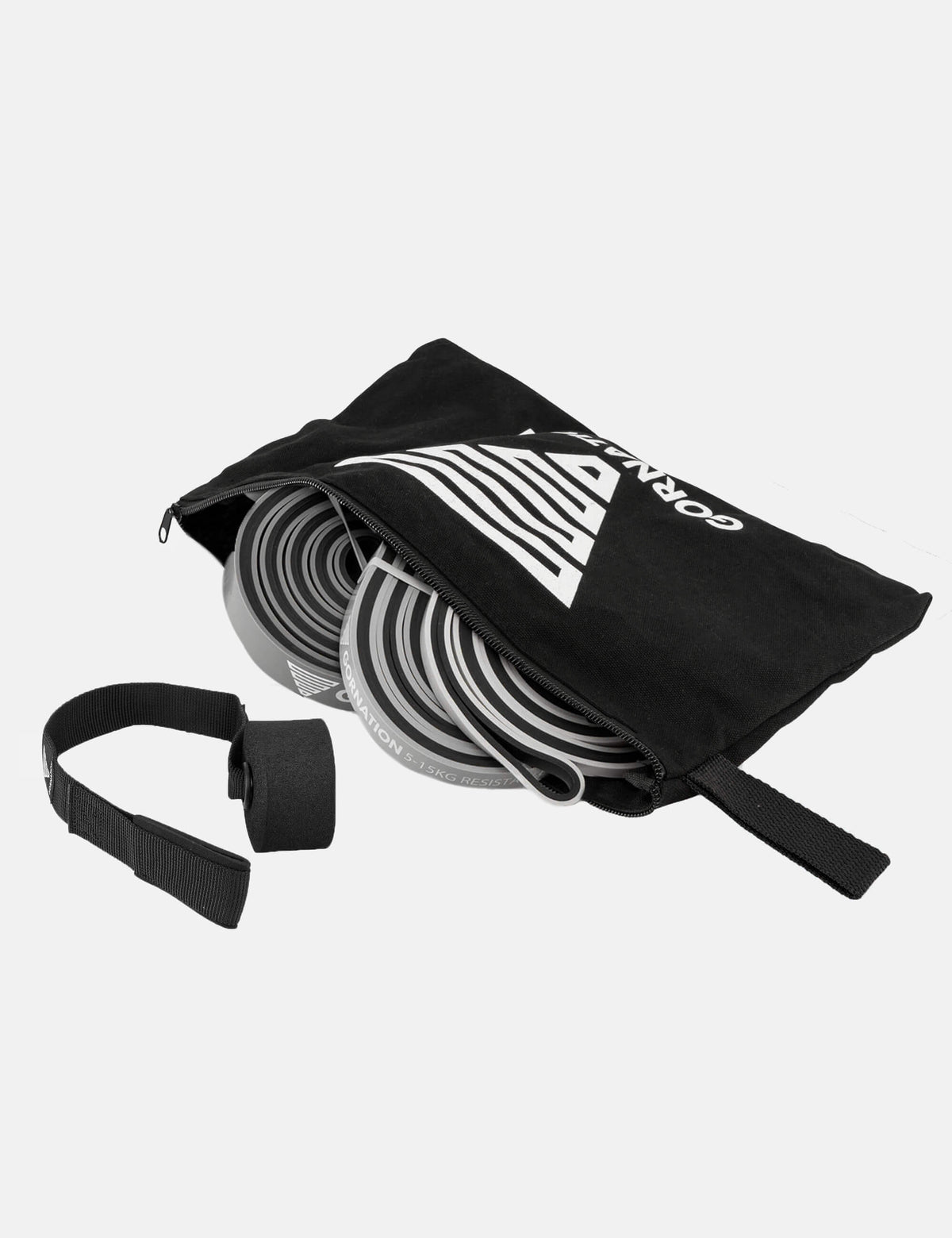
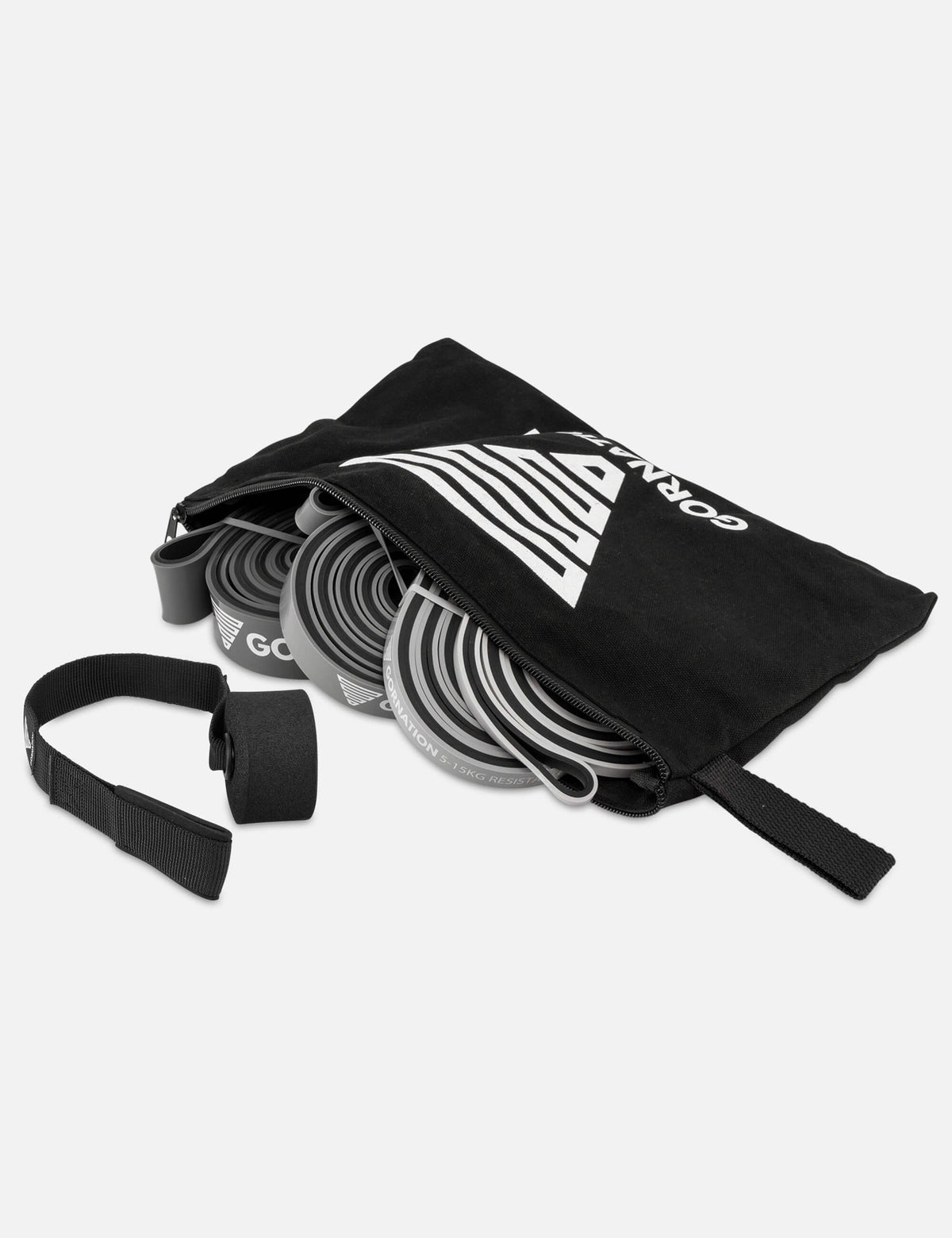
The pistol squat is a single-leg squat that tests balance, unilateral strength and ankle mobility all at once. It's also the only lower body skill on this list, which makes it worth prioritising: most calisthenics athletes neglect legs entirely. Begin with box-assisted versions or use resistance bands for support while you build up to the unassisted version.

6. Human Flag
The human flag is a full-body display of strength and control, driven mostly by the obliques and lats rather than the arms. Start with the vertical flag, then lower the angle progressively as you build side-body strength. Chalk makes a real difference here, since a slipping bottom hand ends the hold instantly.

7. Straddle Planche
The straddle planche is an advanced static hold demanding enormous upper body and core strength. Train it on premium parallettes to keep your wrists in a neutral position and improve stability. Work through the planche progressions in order, from frog stand to tuck planche to advanced tuck, and use wrist wraps on your heavier hold days.

Training Plans for Advanced Skills
Advanced skills need a different structure to a standard strength routine. You train them fresh, at the start of a session, in short high-quality sets. Below are three plans depending on where you are right now. Run each for 8 to 12 weeks before moving up.
Two rules apply to all three: end a static set when the position starts sagging, not when the clock says so, and keep 1 to 2 reps in reserve on every dynamic set. Statics load tendons far more than muscle, and tendons adapt slowly.
Prerequisite Plan — 3 Sessions per Week
For athletes who aren't ready for the seven skills yet. The goal is the strength base that makes them accessible.
| Session | Content |
|---|---|
| Day 1 — Pull | Pull-ups 5 × 5–8 · Rows 4 × 10 · Tuck front lever 4 × 10 s · Scapula pulls 3 × 10 |
| Day 2 — Push | Dips 5 × 6–10 · Wall handstand 5 × 30 s · Planche lean 4 × 15 s · Pike push-ups 3 × 8 |
| Day 3 — Legs and core | Box pistol squats 4 × 6 per leg · Bulgarian split squats 3 × 10 · L-sit 4 × 15 s · Hollow body 3 × 30 s |
Progression: once you hit 10 pull-ups, 10 dips, a 30-second wall handstand and a 15-second tuck front lever, move to the skill plan.
Advanced Skill Plan — 4 Sessions per Week
For athletes actively chasing the skills on this list.
| Session | Content |
|---|---|
| Day 1 — Front lever and pull | Advanced tuck front lever 6 × 10–15 s · Front lever raises 4 × 5 · Weighted pull-ups 4 × 5 |
| Day 2 — Planche and push | Tuck planche 6 × 10–15 s · Planche leans 4 × 20 s · Weighted dips 4 × 5 · Pseudo planche push-ups 3 × 8 |
| Day 3 — Handstand and dynamics | Freestanding handstand 6 × 45 s · Muscle up drills 6 × 3 · Transition negatives 4 × 4 |
| Day 4 — Legs, core and flag | Pistol squats 4 × 5 per leg · Vertical flag 5 × 10 s · V-sit progressions 5 × 10 s · Pike stretching 10 min |
Progression: when the advanced tuck front lever passes 15 seconds and the tuck planche passes 12, start extending one leg at a time towards the straddle versions.
Elite Plan — 4 to 5 Sessions per Week
For athletes who already own the straddle versions and are chasing full skills.
| Session | Content |
|---|---|
| Day 1 — Front lever | Straddle front lever 6 × 8–12 s · Full front lever attempts 5 × max · Weighted front lever rows 4 × 4 |
| Day 2 — Planche | Straddle planche 6 × 8–12 s · Full planche negatives 5 × 5 s · Maltese lean 4 × 10 s |
| Day 3 — Handstand | Handstand 6 × 60 s · Press to handstand 5 × 3 · One arm handstand drills 10 min |
| Day 4 — Skills and dynamics | Full human flag 6 × 8 s · V-sit 5 × 10 s · Ring muscle ups 5 × 3 |
| Day 5 (optional) — Weighted | Weighted pull-ups 5 × 3 · Weighted dips 5 × 3 · Pistol squats with a weight vest 4 × 5 |
Progression: deload every fourth week by halving volume while keeping intensity. At this level, the planned light week is the only thing standing between you and a year of rehab.
Recovery and Injury Prevention
Recovery matters as much as training when your skills are this demanding. Give your body real rest between hard static sessions, and treat a warm-up as non-negotiable: ten minutes of wrist, scapula and shoulder work before every session. Elbow sleeves add support and warmth on heavy lever and planche days, which is exactly when the biceps tendons take the most load.
Always prioritise form over hold time. A sagging front lever trains a sagging front lever. If you're unsure where to start, resources like our calisthenics starter guide will help you build the foundation properly, and the full calisthenics equipment range covers everything these skills need.
FAQ — Advanced Calisthenics
How do I know I'm ready for advanced skills?
A reasonable benchmark is 10 clean pull-ups, 10 deep dips, a 30-second wall handstand and a 20-second L-sit. Below that, your time is better spent on the prerequisite plan above than on skill attempts that your body can't yet support.
How long does it take to learn these skills?
The muscle up and pistol squat often come within months. The front lever typically takes one to two years, the straddle planche two to four. Bodyweight, training age and consistency all move those numbers, so treat them as ranges rather than deadlines.
How often should I train static holds?
Two to three dedicated static sessions a week, always at the start of your workout when you're fresh. Static work is a skill as much as a strength exercise, and skills degrade fast under fatigue.
Should I train these on a bar, rings or parallettes?
Levers and the muscle up belong on a bar or rings, planche and V-sit work best on parallettes. Rings add instability that builds stabiliser strength, but they also make everything harder, so introduce them once the bar version is solid.
Can I train several advanced skills at once?
Two, comfortably. Three starts to compromise all of them. Pick one pushing skill and one pulling skill as your priorities for a training block, and keep the rest in maintenance.
What should I do if my elbows start hurting?
Cut your static volume for a week or two and rebuild with shorter holds. Elbow pain in advanced calisthenics almost always means load added faster than the tendons could adapt, not a lack of toughness.
Do I need equipment for advanced calisthenics?
You need something to hang from and something to push on. Beyond that, wrist wraps, chalk and resistance bands are the three accessories that genuinely change how these sessions feel.
Conclusion
Mastering these advanced moves will push your limits and take your training somewhere new. Pick the plan that matches where you are, hold it for a couple of months and let progressive overload do its work. Progress takes time here more than anywhere else in calisthenics, so stay patient, stay consistent, and watch your skills keep growing.