| 7,000+ Reviews
 Free EU Shipping above 100€*
 400,000+ Customers Worldwide
 Worldwide Tracked Shipping


Barbell Home Workouts - Build Strength at Home With a Barbell
Training at home has become more popular than ever. Whether you want to save time or avoid crowded gyms, home workouts offer maximum flexibility. For effective strength training at home, the Barbell is a practical and versatile option.
A Barbell allows you to train your entire body, progress long term and create structured workouts without relying on machines or large gym spaces. In this guide, you’ll learn why Barbell training at home is so effective, which exercises you should focus on and how to build a simple but powerful home setup.
Why a Barbell Is One of the Best Tools for Training at Home
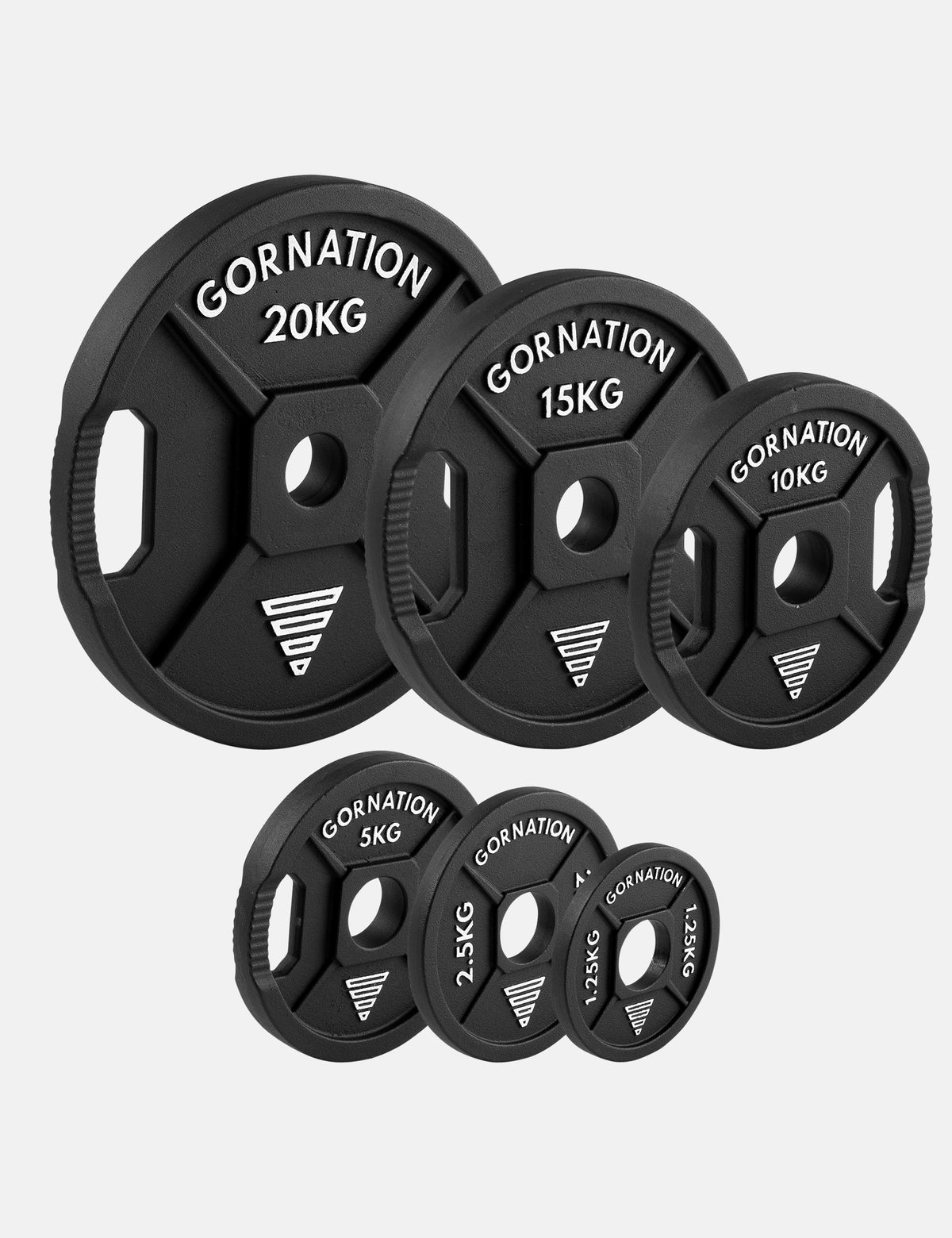
A Barbell is one of the most efficient strength tools you can own. With just one Barbell and adjustable Weight Plates, you can perform dozens of compound exercises that target multiple muscle groups at once.
Unlike machines, Barbells don’t limit your movement path. You control the range of motion and the tempo. Especially for home workouts, a Barbell shines because it replaces several machines while taking up surprisingly little space.
Another big advantage is long-term usability. A Barbell doesn’t become obsolete once you get stronger. You simply add weight plates and continue progressing. This makes it a smart investment for beginners and experienced athletes.

The Key Benefits of Barbell Training at Home
Progressive Strength Without Leaving Your Home
One of the biggest advantages of Barbell training is progressive overload. Strength gains happen when your body is challenged with gradually increasing resistance. With a Barbell and weight plates, this process is simple and measurable.
You don’t need a gym to get stronger. Adding small amounts of weight over time allows consistent progress, even with short home workouts. This structure is especially helpful for beginners who want clear feedback and visible results.
Efficient Full-Body Training
Barbell exercises are built around compound movements. Instead of isolating one muscle at a time, you train multiple muscle groups in a single exercise. This leads to better overall strength development and more efficient workouts.
For home training, this is a huge advantage. You can get a complete full-body workout in less time, without switching between machines or setting up complex circuits.

Combining Barbell Training With Other Home Equipment
Barbell training can be easily expanded with a few key pieces of equipment to make home workouts safer and more versatile. One of the most useful additions is a Pull Up Station. When equipped with squat rack holders, it allows you to rack the Barbell securely and perform exercises like Squats with more control and safety. This setup is especially helpful when training alone at home.
A Foldable Bench is another valuable complement to Barbell training. It enables exercises such as Bench Presses, Barbell Rows and other upper-body movements while remaining space-saving when not in use. Together, these tools create a flexible home setup where the Barbell remains the main training tool, supported by equipment that improves safety, exercise variety and overall training quality.


Essential Barbell Exercises You Can Do at Home
If you want effective Barbell home workouts, focus on the basics. These exercises deliver the highest return on effort and build a solid strength foundation.
Barbell Squat at Home
The Barbell Squat is one of the most effective lower-body exercises you can do. It strengthens your legs, glutes and core while also improving mobility and posture.
For home training, the Barbell Squat requires only a small amount of space and offers endless progression potential. By adjusting stance width and depth, you can tailor the exercise to your level and goals.

Barbell Deadlift
The Barbell Deadlift trains your posterior chain, including glutes, hamstrings, lower back and grip. It’s one of the best exercises for building total-body strength.
Deadlifts are especially well-suited for home workouts because they require minimal setup and deliver maximum results. Learning proper technique is key, but once mastered, this exercise becomes a cornerstone of any strength routine.

Barbell Bench Press
The Barbell Bench Press is a classic upper-body pushing exercise. It primarily targets the chest, shoulders and triceps while also engaging the core for stability.
At home, a Foldable Bench is ideal for this movement. It allows you to train safely, saves space when not in use and adds versatility to your workouts.

Barbell Overhead Press
The Barbell Overhead Press builds strong shoulders and a stable core. Because the weight is pressed overhead, your entire body has to work together to keep balance and control.
This exercise is highly functional and translates well into everyday movements. It also helps develop shoulder strength that supports other pressing exercises.

Barbell Curl
The Barbell Curl is essential for building strong and defined biceps while supporting overall arm strength. It balances pushing movements and strengthens the muscles responsible for pulling and lifting.
For home training, Barbell Curls are simple to set up and highly effective. They also enhance performance in other pulling exercises and contribute to better stability and control in upper-body workouts.

How Much Space Do You Need for Barbell Training?
One of the biggest misconceptions about Barbell training is that it requires a lot of space. In reality, a few square meters are enough for most exercises.
As long as you can safely perform Squats, Deadlifts and Presses without obstacles, you’re good to go. This makes Barbell training suitable even for apartments or smaller rooms.
Barbell Training at Home for Beginners
Barbell training is often seen as advanced, but it’s actually very beginner-friendly when approached correctly. The key is to start light, focus on technique and prioritize controlled movements.
Beginners benefit greatly from Barbell exercises because they teach proper movement patterns and build strength evenly across the body. Instead of chasing heavy weights early on, consistency and clean execution should be the priority.
Simple routines with basic exercises outperform complex programs in the long run. Progress comes from showing up regularly and improving step by step.

Common Mistakes in Barbell Home Training
One of the most common mistakes is increasing weight too quickly. While progress is important, technique should never be sacrificed for load. Poor form under heavy weight increases injury risk and slows long-term progress.
Another mistake is skipping warm-ups, especially at home. Preparing your joints and muscles properly helps prevent injuries and improves performance.
Finally, recovery and mobility are often underestimated. Strength gains happen during rest, not during training. Including mobility work and allowing enough recovery time is essential for sustainable results.
Conclusion - Why a Barbell Is a Smart Choice for Home Training
A Barbell is one of the most effective and versatile tools for home workouts. It allows full-body training, clear progression and long-term strength development without relying on a gym.
With minimal equipment and limited space, you can build real strength, improve coordination and create a home setup that grows with you. For beginners especially, Barbell training offers structure, simplicity and results.
If you’re looking to invest in your home training, a Barbell is not just an option - it’s a foundation.