| 8,000+ Reviews
 Free EU Shipping above 100€*
 400,000+ Customers Worldwide
 Worldwide Tracked Shipping

How to do the exercise
The Dragon Squat is an advanced Calisthenics leg exercise that combines strength, balance, and mobility. It is one of the most demanding bodyweight squat variations and primarily targets the quads and glutes while also challenging your stability and coordination. Because the movement is performed on one leg with the other leg moving behind the body, it requires excellent control and mobility in the hips and ankles. Here’s how to perform the Dragon Squat:
1. Starting position
Stand upright with your feet about hip-width apart and shift your body weight onto one leg. Engage your core and keep your chest upright. The working leg stays firmly planted on the ground while the other leg prepares to move behind your body.
2. Lowering phase
Begin lowering yourself slowly into a squat with your standing leg. As you descend, guide your free leg behind the standing leg and extend it out to the side or slightly behind you. Keep your movement controlled and maintain balance while keeping your torso upright.
3. Bottom position
Lower yourself as far as your mobility allows until your glutes come close to your heel. Your extended leg stays lifted and off the ground while your standing leg controls the entire movement. Stay tight through your core and keep your knee tracking over your toes.
4. Pressing up
Push through the heel of your standing leg and drive yourself back up to the starting position. Maintain balance and control as you extend your leg and return to standing. Repeat for your desired number of reps before switching sides.
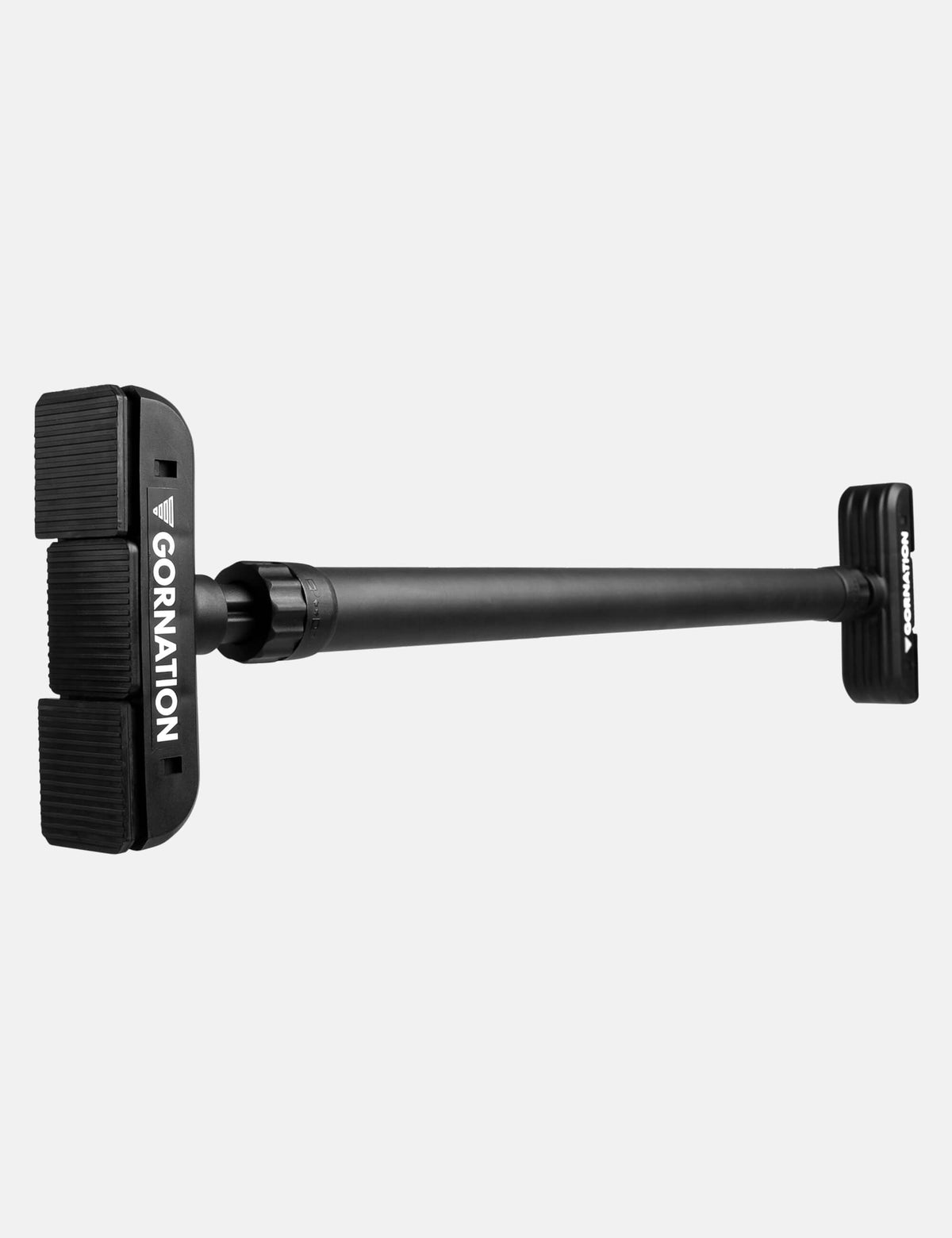
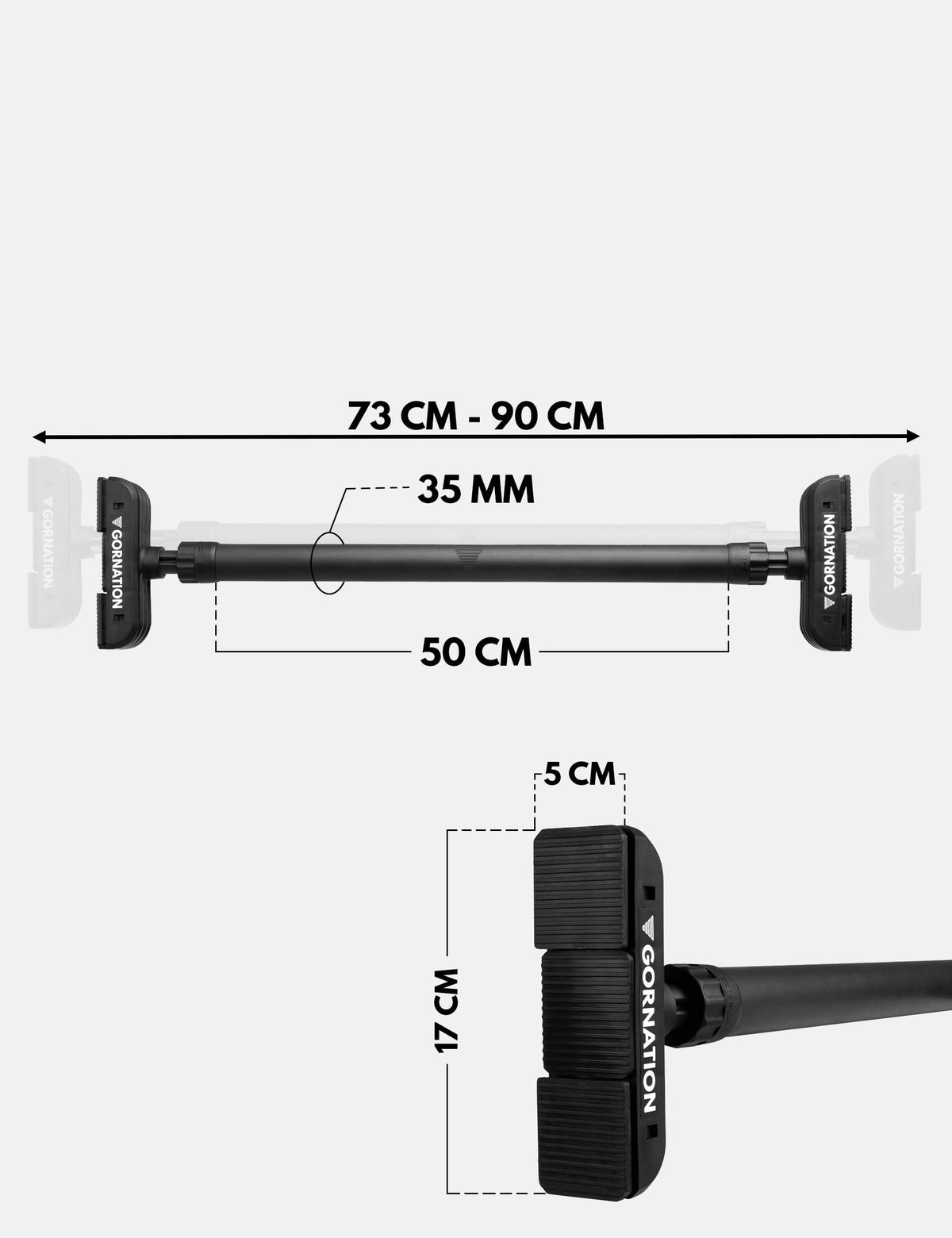
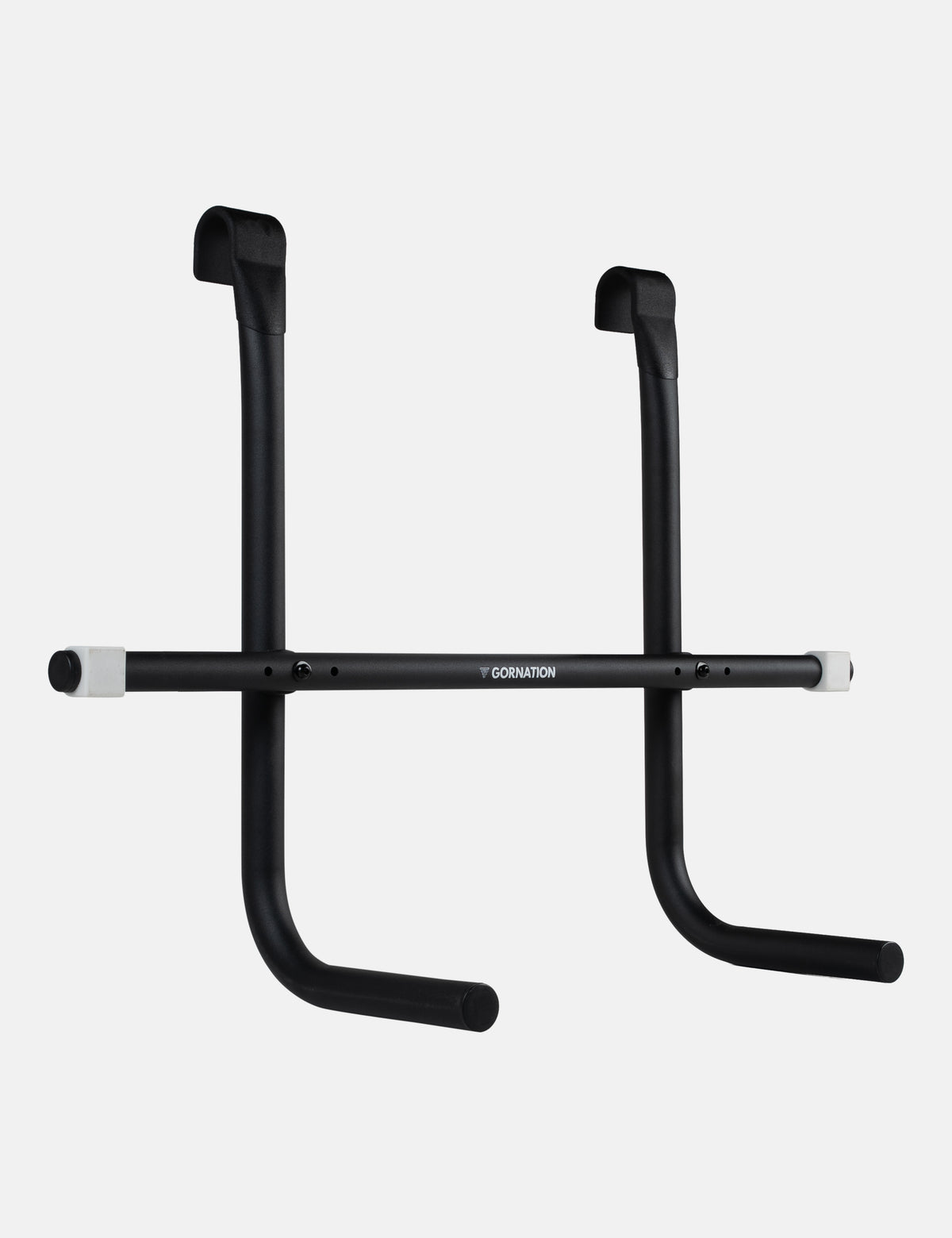
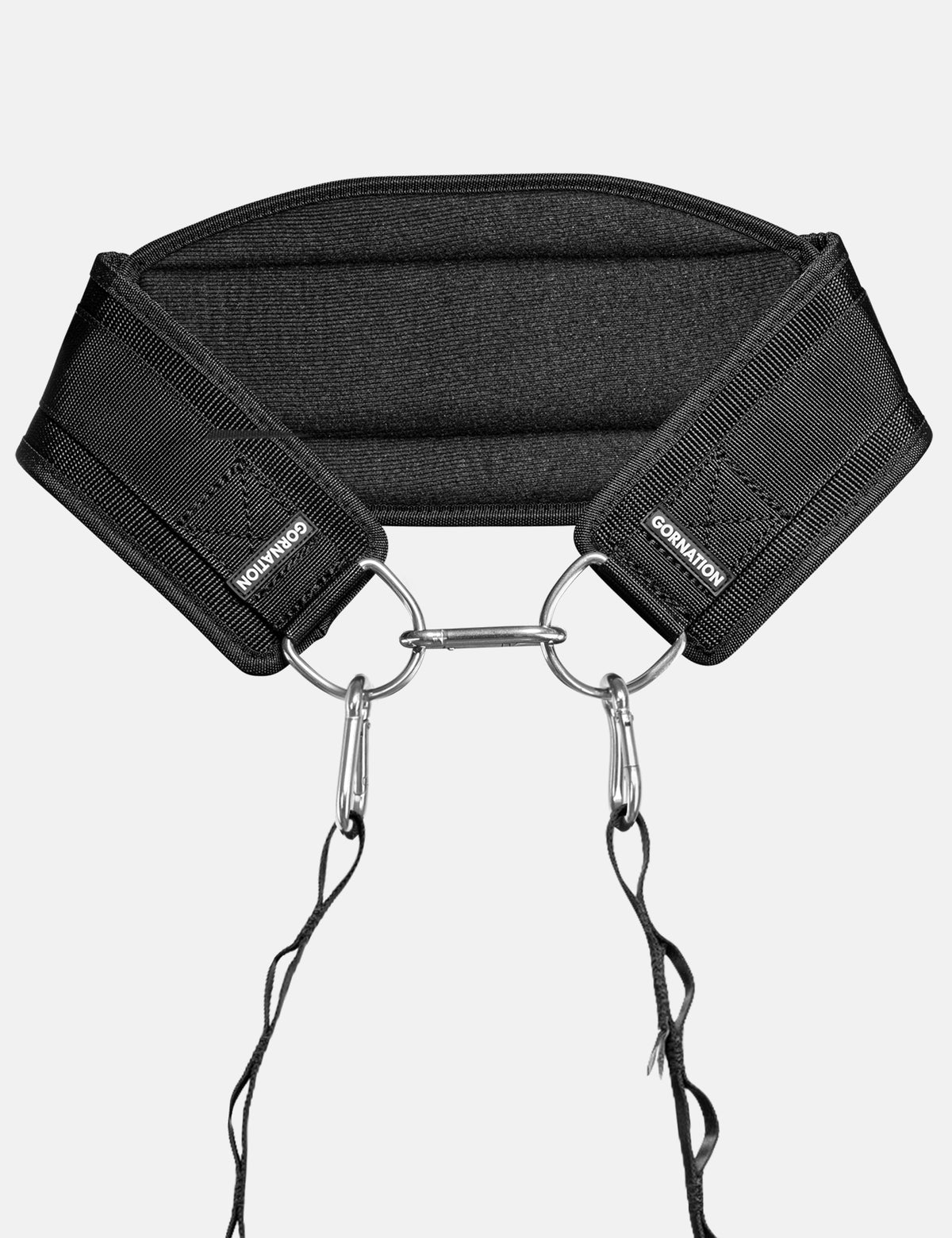
Recommended equipment for Dragon Squats


Main Muscles Worked
The Dragon Squat mainly targets:
-
Quadriceps – responsible for extending the knee and controlling the squat movement
-
Glutes – generate power to push you back up from the bottom position
-
Hamstrings – support knee stability and assist during the movement
-
Core muscles – stabilize your torso and help maintain balance on one leg
-
Hip stabilizers – control the rotation and positioning of the extended leg
Developing strength in these muscles will significantly improve your single-leg strength, mobility, and overall lower-body control for advanced Calisthenics training.
If you're looking for other exercises, check out our Youtube video:
Common Mistakes
Since the Dragon Squat is a complex single-leg movement, small mistakes can quickly affect your balance and technique. Pay attention to the following:
-
Dropping too quickly: Lower yourself slowly to maintain control and stability.
-
Knee collapsing inward: Keep your knee tracking over your toes to protect your joints.
-
Losing balance: Engage your core and focus on a fixed point in front of you.
-
Limited range of motion: Work on ankle and hip mobility so you can squat deeper with good form.
Focus on controlled reps and proper technique rather than rushing through the movement. This will help you build strong, stable legs and master one of the most advanced Calisthenics squat variations.
Discover more Exercises
Looking for more ways to level up your training? Check out our full exercise overview or try these effective exercises that perfectly complement your training:
Please read our legal disclaimer before starting your workout.