| 7,000+ Reviews
 Free EU Shipping above 100€*
 400,000+ Customers Worldwide
 Worldwide Tracked Shipping

How to do the exercise
The Weighted Box Jump is an advanced plyometric exercise that develops explosive leg power, coordination, and athletic performance. It is the next progression after the regular Box Jump and adds external resistance with a weight vest or weight plate. This forces your muscles to generate more power during the jump and improves overall explosiveness for sports and Calisthenics training. Here’s how to perform the Weighted Box Jump:
1. Starting position
Stand in front of a stable plyo box or foldable bench with your feet about shoulder-width apart. Hold a weight plate in front of your chest or wear a weight vest. Keep your chest upright, engage your core, and focus on the center of the box.
2. Loading phase
Bend your knees slightly and push your hips back into a quarter squat. Swing your arms behind you to preload momentum. Keep your weight centered over your midfoot and maintain tension through your core.
3. Explosive jump
Drive through your feet and extend your hips, knees, and ankles explosively. Swing your arms forward to generate additional power and jump onto the box in one strong movement. Focus on jumping upward explosively, not just forward.
4. Landing and reset
Land softly on the box with both feet and slightly bent knees to absorb the impact. Avoid locking your legs. Lower yourself back down from the box in a controlled way and repeat the movement for your desired number of reps.
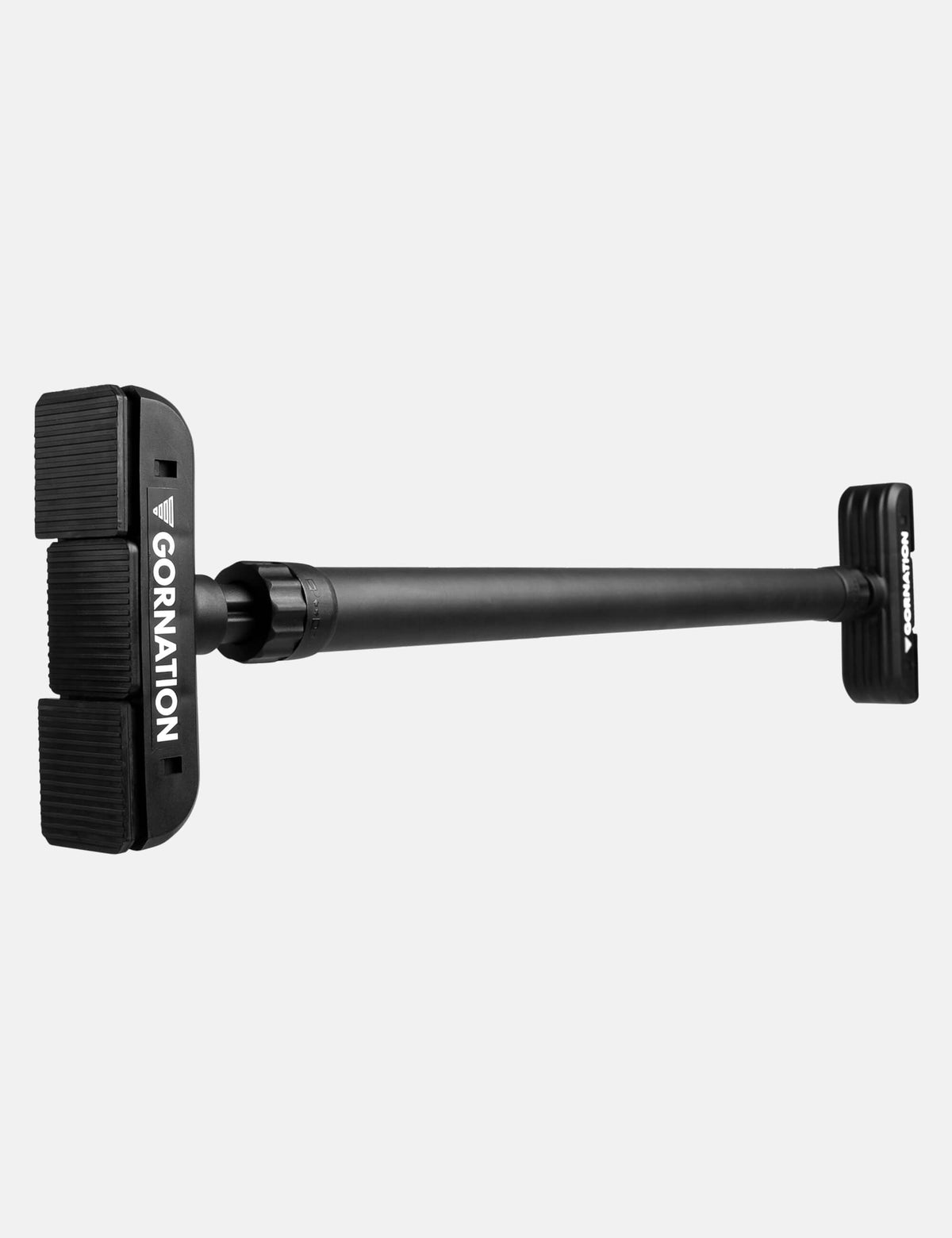
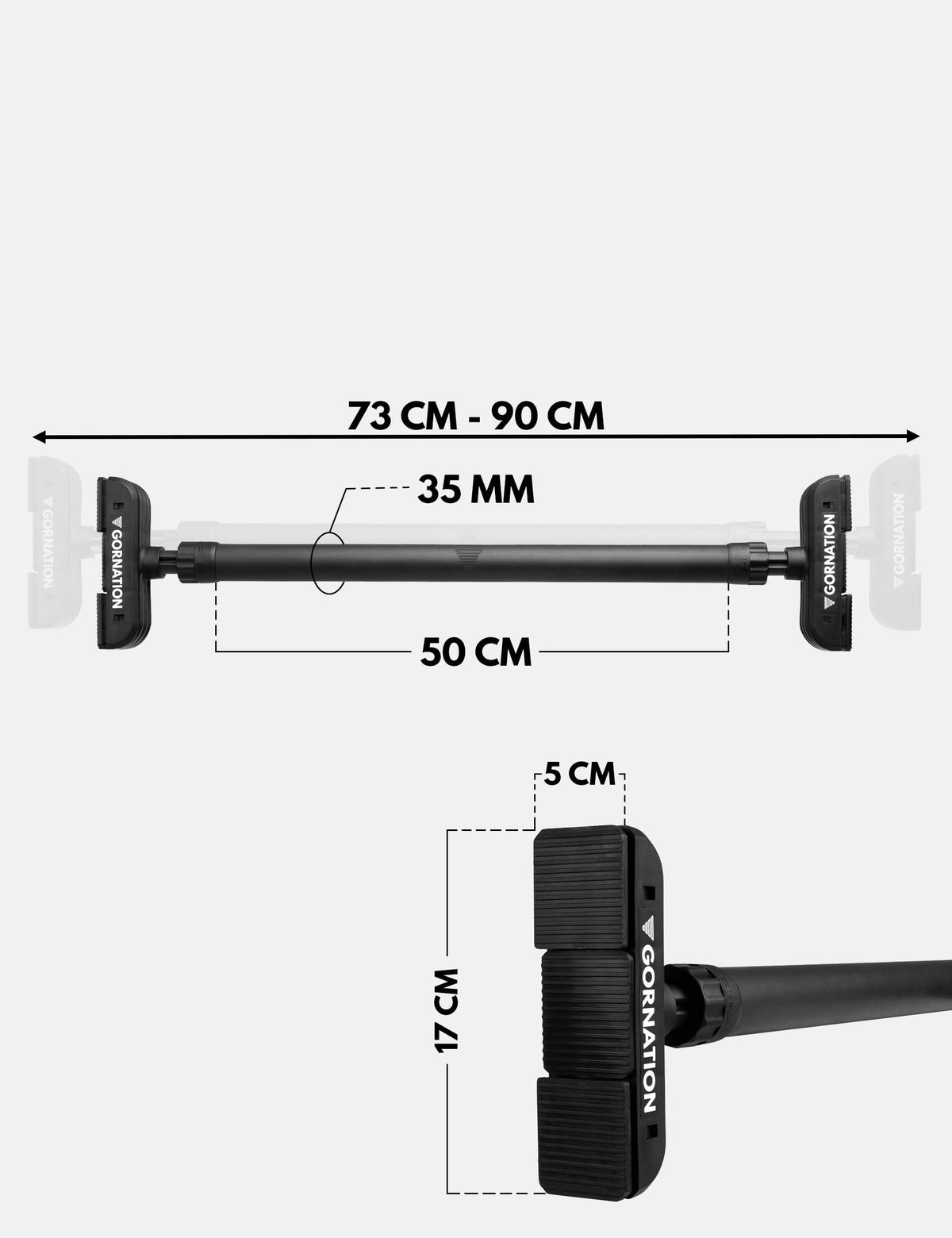
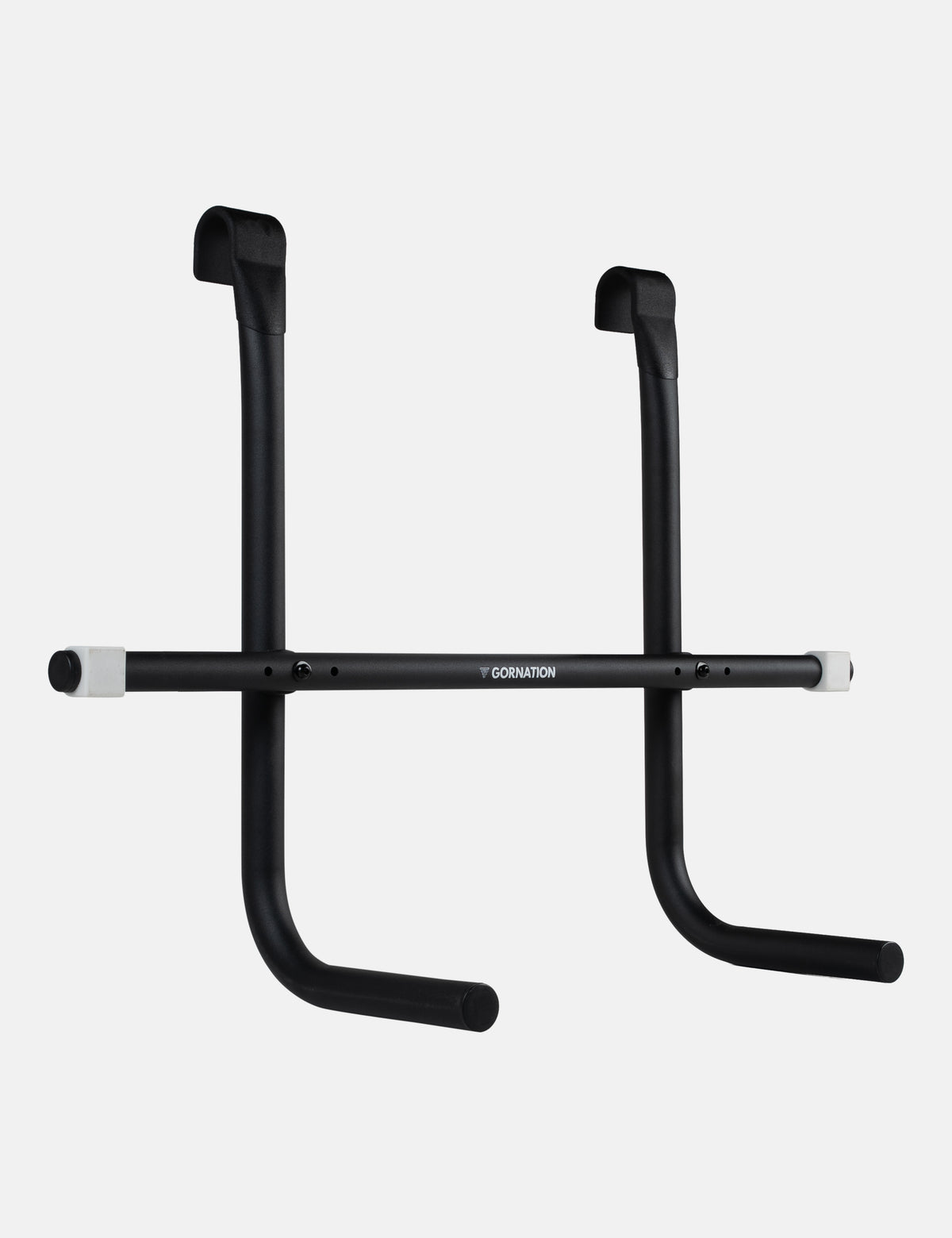
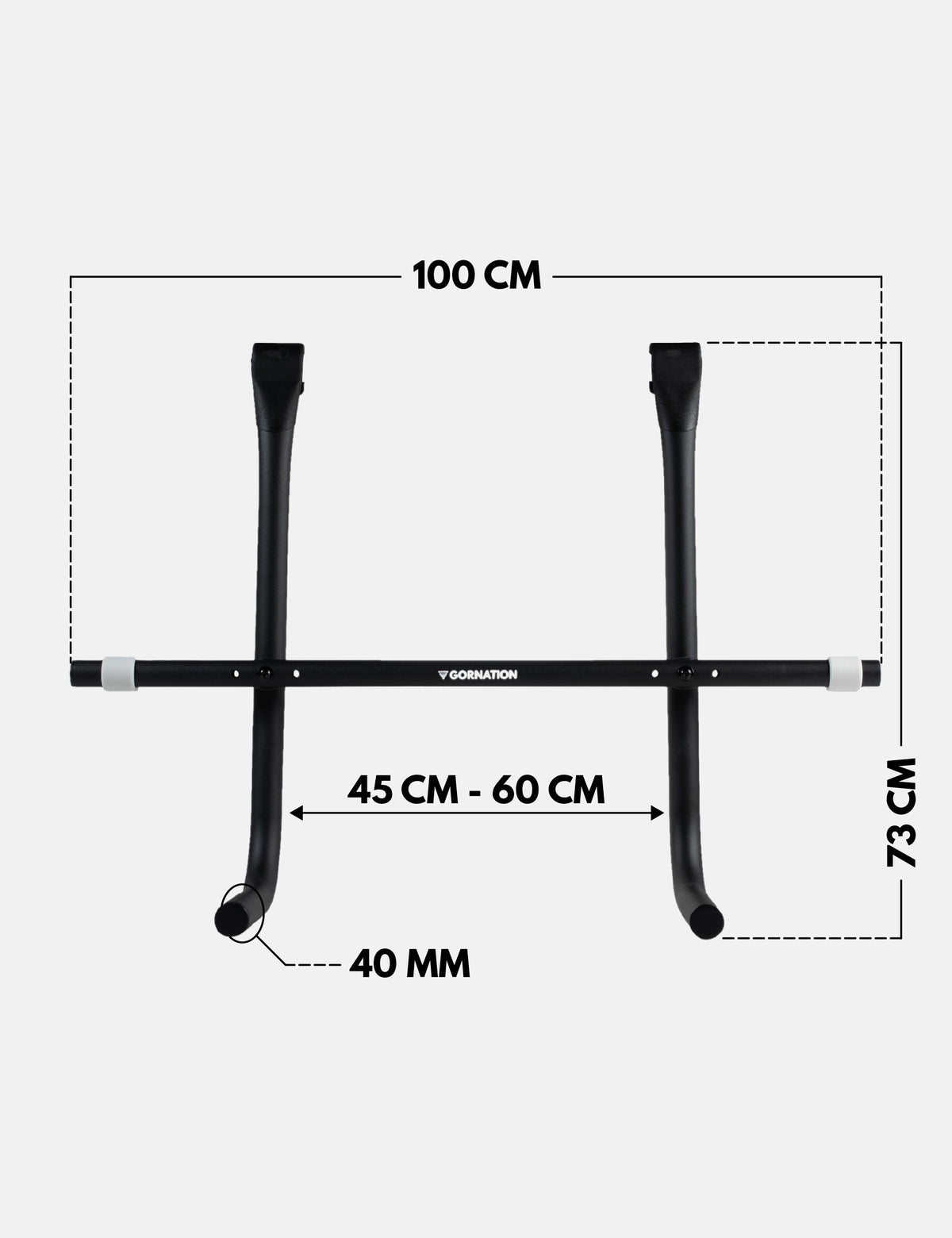
Recommended equipment for Weighted Box Jumps


Main Muscles Worked
The Weighted Box Jump mainly targets:
-
Quadriceps – generate explosive power during the jump.
-
Glutes – provide the main force for hip extension and vertical power.
-
Hamstrings – assist in hip extension and help stabilize the landing.
-
Calves – extend the ankles to maximize jump height.
-
Core muscles – stabilize your body and maintain balance throughout the movement.
Strengthening these muscles will significantly improve your explosive strength, vertical jump performance, and overall athletic ability.
If you're looking for other exercises, check out our Youtube video:
Common Mistakes
Even though Weighted Box Jumps look simple, small mistakes can reduce performance or increase injury risk. Watch out for:
-
Landing with straight legs: Always bend your knees slightly to absorb impact and protect your joints.
-
Jumping only forward: Focus on explosive upward movement rather than just reaching the box.
-
Using too much weight: Start light to maintain speed and proper jumping mechanics.
-
Not stepping down carefully: Always step down from the box instead of jumping down to reduce stress on your knees and ankles.
Focus on explosiveness, control, and safe landings to get the most out of this powerful plyometric exercise.
Discover more Exercises
Looking for more ways to level up your training? Check out our full exercise overview or try these effective exercises that perfectly complement your training:
Please read our legal disclaimer before starting your workout.