| 8,000+ Reviews
 Free EU Shipping above 100€*
 400,000+ Customers Worldwide
 Worldwide Tracked Shipping


The benefits of calisthenics, even after 40
Bodyweight training offers precious advantages as the years go by. Here are the concrete benefits you can expect:
- Protected joints: bodyweight work loads your muscles progressively and respectfully of your structure. You strengthen tendons, ligaments and joints at the same time as your muscles, which clearly reduces the risk of injury.
- Better mobility: bodyweight exercises force you to move through full ranges of motion, which keeps your hips, shoulders and spine healthy.
- A brake on muscle loss: after 40, testosterone declines and muscle mass tends to melt away (sarcopenia). Regular resistance training slows this process and improves your insulin sensitivity.
- Total convenience: you can train at home, at the park or while traveling, with compact and easy-to-set-up equipment.
- Real, usable strength: bodyweight strength training builds an athletic silhouette without the sometimes excessive bulk of classic bodybuilding.

The best calisthenics exercises after 40
You don't need an endless catalog of movements to progress. A few fundamental exercises, well executed, are enough to work your entire musculature. Here are the essential categories to include in your practice, each with accessible and progressive movements.
Pulling movements: strengthen your back and arms
Pulling works your lats, biceps and the whole posterior chain. After 40, a strong back is your best ally against lower-back pain and the poor posture linked to desk work. Start with the gentlest variations before aiming for the strict pull up:
- Australian pull up: ideal for beginners, body inclined under a low bar, feet on the ground.
- Dead hang: to strengthen your grip and decompress your shoulders.
- Assisted pull up: with a band, to build the strength needed for the full pull-up.
- Pull up: the intermediate goal, performed slowly and without jerking.
Pushing movements: develop chest and triceps
Pushing targets your chest, triceps and shoulders, while strongly engaging your core. Listen to your joints: at this age, it's better to limit the range if you feel discomfort rather than risk inflammation.
- Straight bar push up: perfect for starting, with an angle you can adjust to your level.
- Assisted dip: to approach dips gently.
- Dip: the king exercise for triceps and lower chest.
- Decline push up: to increase intensity once you're comfortable.
Body control and balance: core and stability
Core work is too often neglected, yet it's the foundation of all progress. A solid trunk protects your spine, improves your posture and transfers strength between the upper and lower body. Stability becomes increasingly important with age and protects you from falls.
- Side plank: to strengthen the obliques and stabilize the pelvis.
- Crunch: a classic and effective core exercise.
- Knee raise: to engage the lower abs without straining your back.
- Mountain climber: to combine dynamic core work and coordination.
Explosiveness and lower body: power and mobility
The lower body deserves as much attention as the upper body. These movements maintain the functional strength you need to stand, walk, carry and stay independent over time, while working the mobility of your hips.
- Step up: stepping onto a bench, excellent for quads and balance.
- Hip thrust: for powerful glutes and a stable pelvis.
- Calf raises: often forgotten, essential for your ankles.
- Lunge / Bulgarian split squat: to strengthen each leg independently.

How to equip yourself to train in the best conditions
Well-chosen equipment considerably improves your comfort, safety and progress in calisthenics. Here's the essentials to plan for:
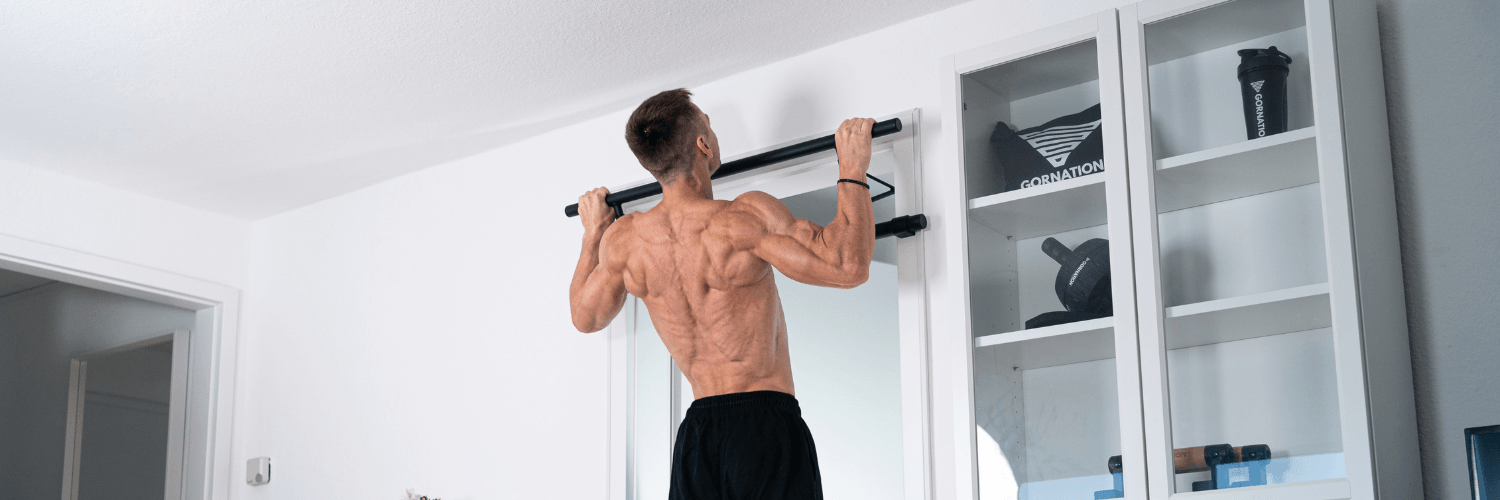
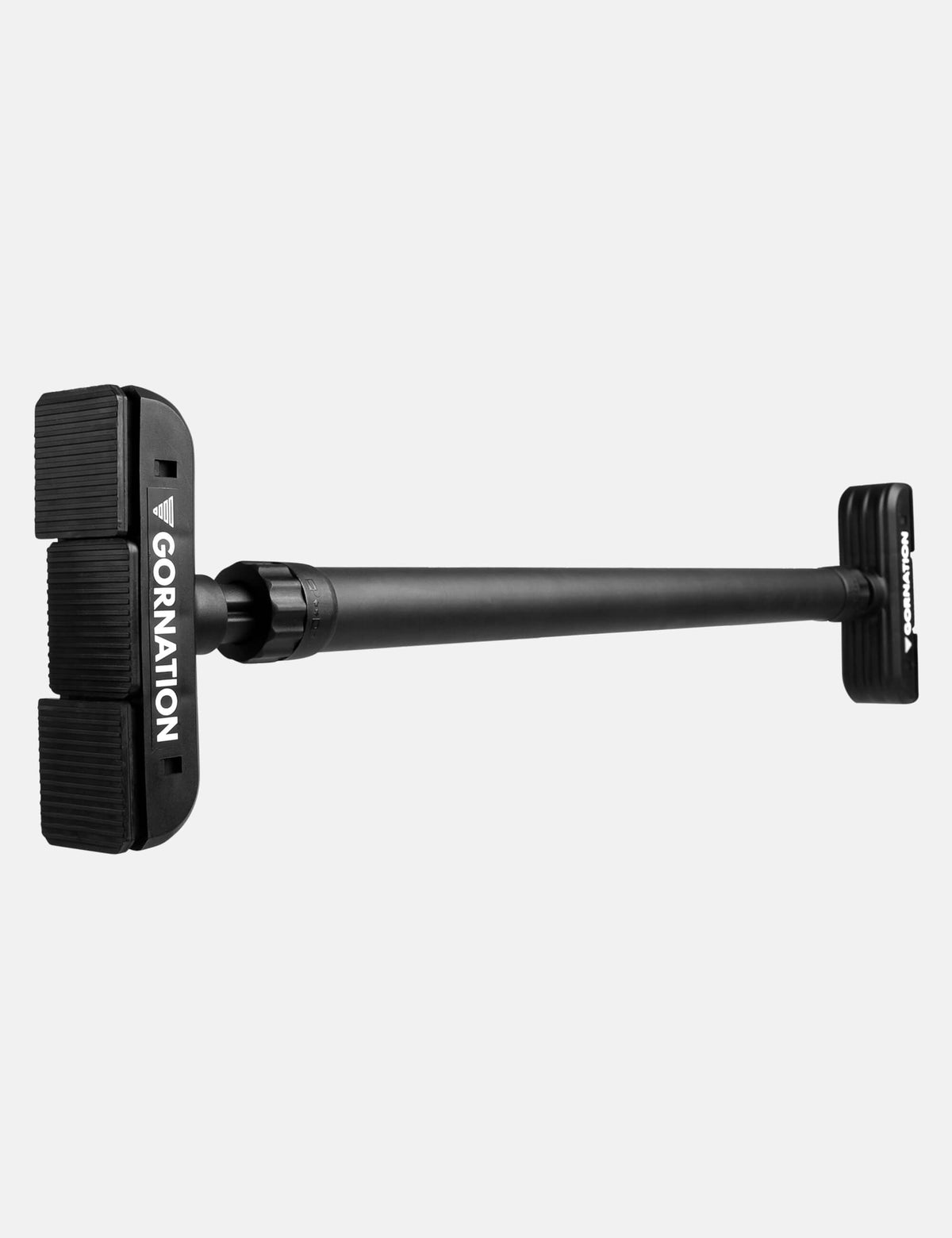
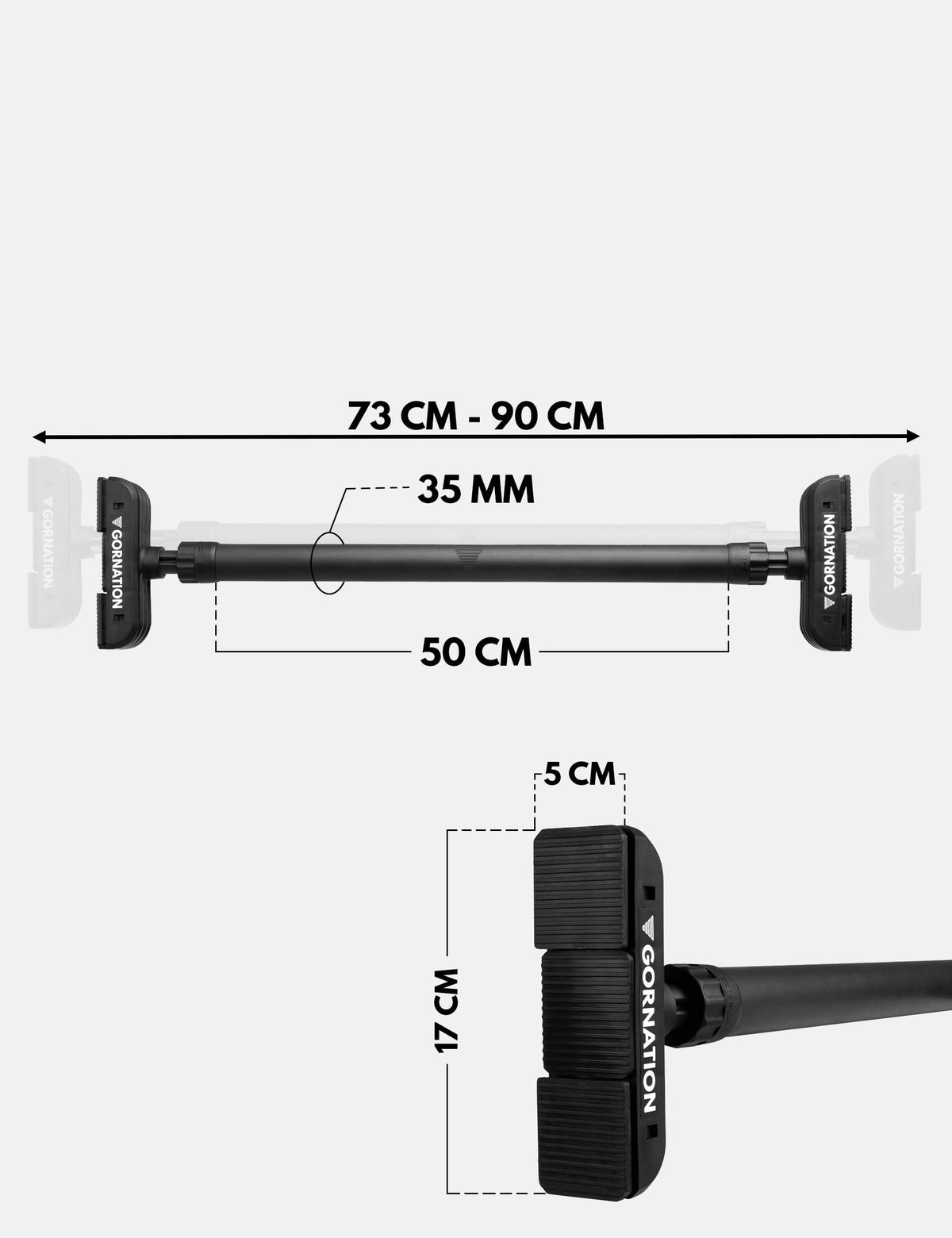
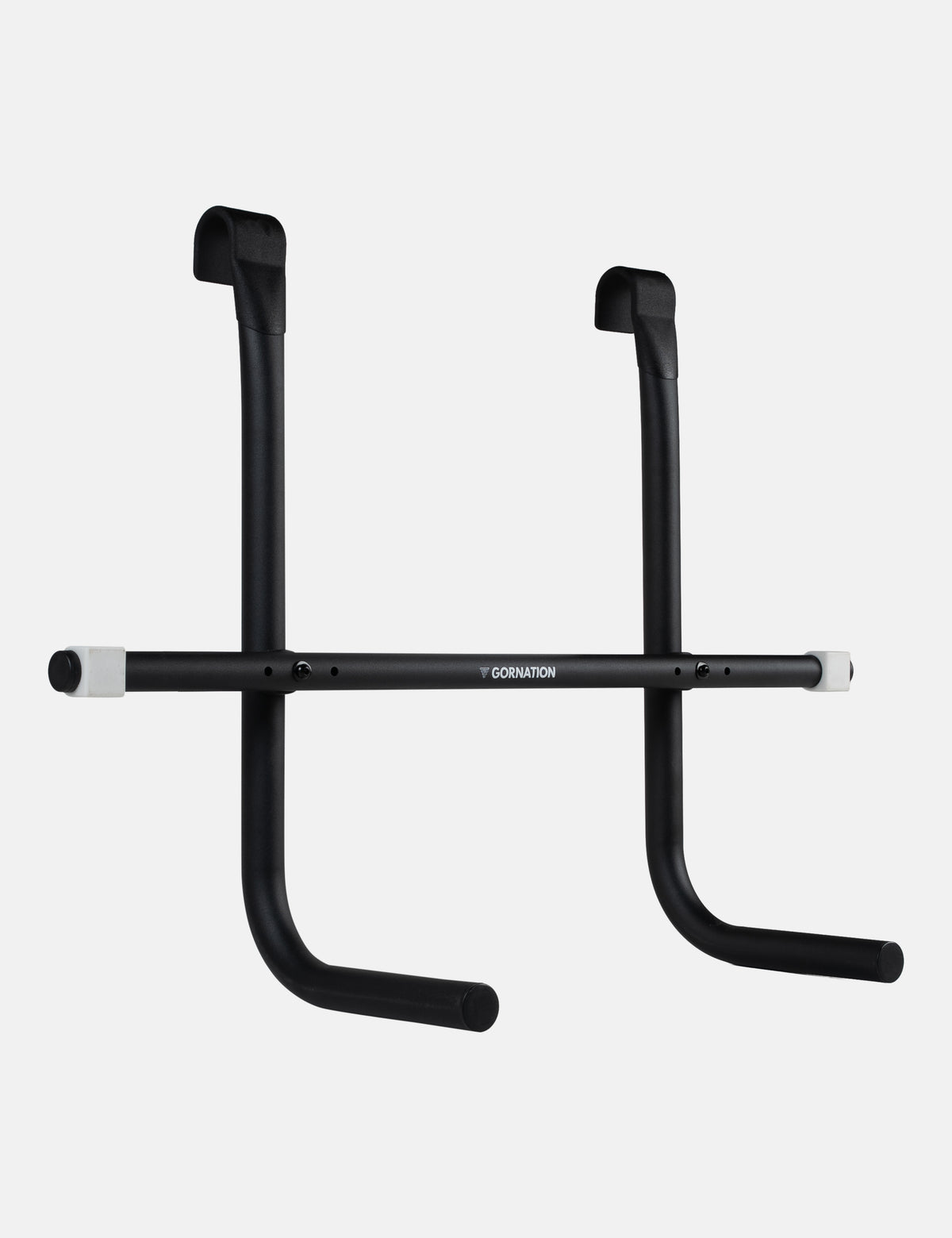
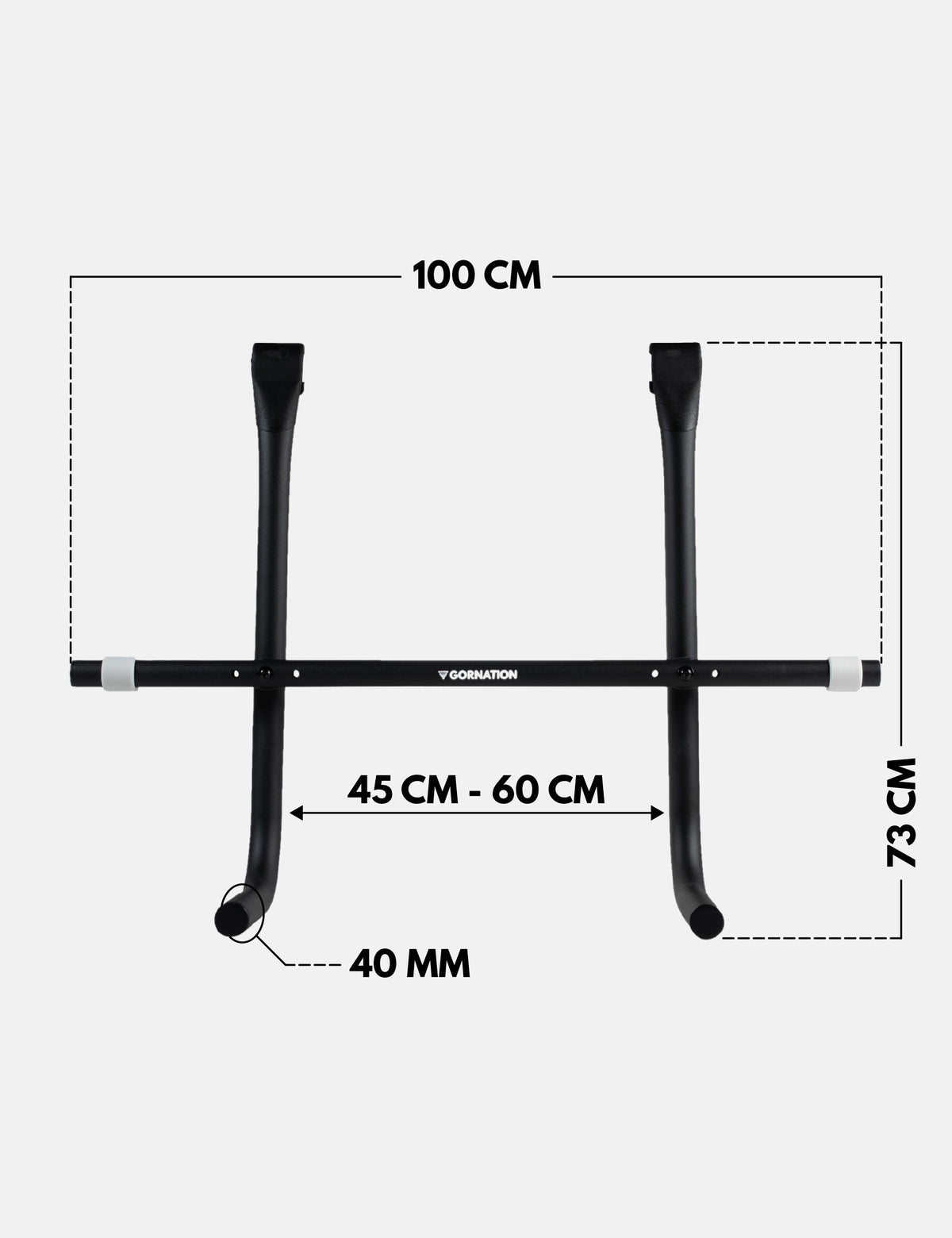
- The Pull Up Bar: the number-one accessory, fixed to a door or wall, it opens the door to all pulling work.
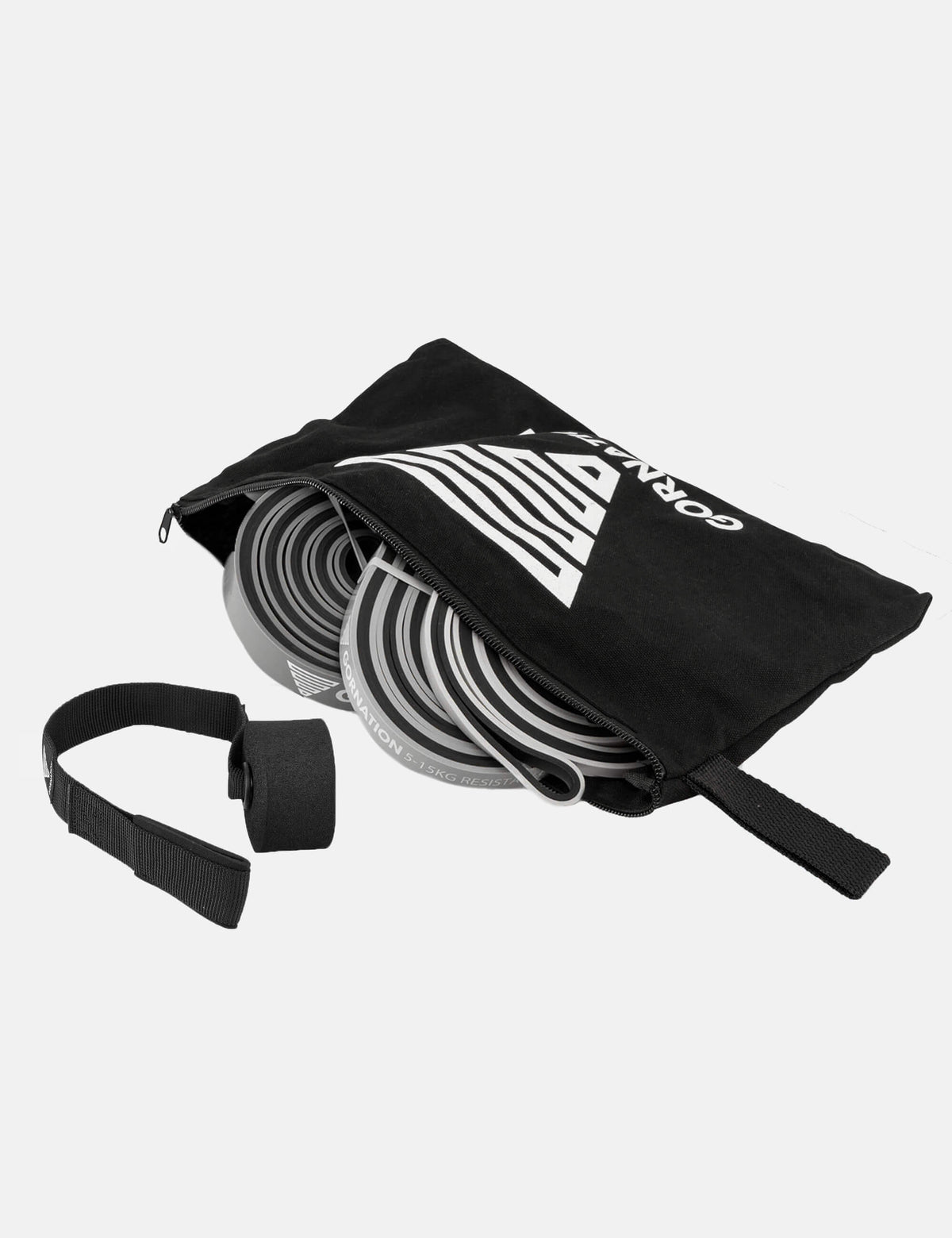
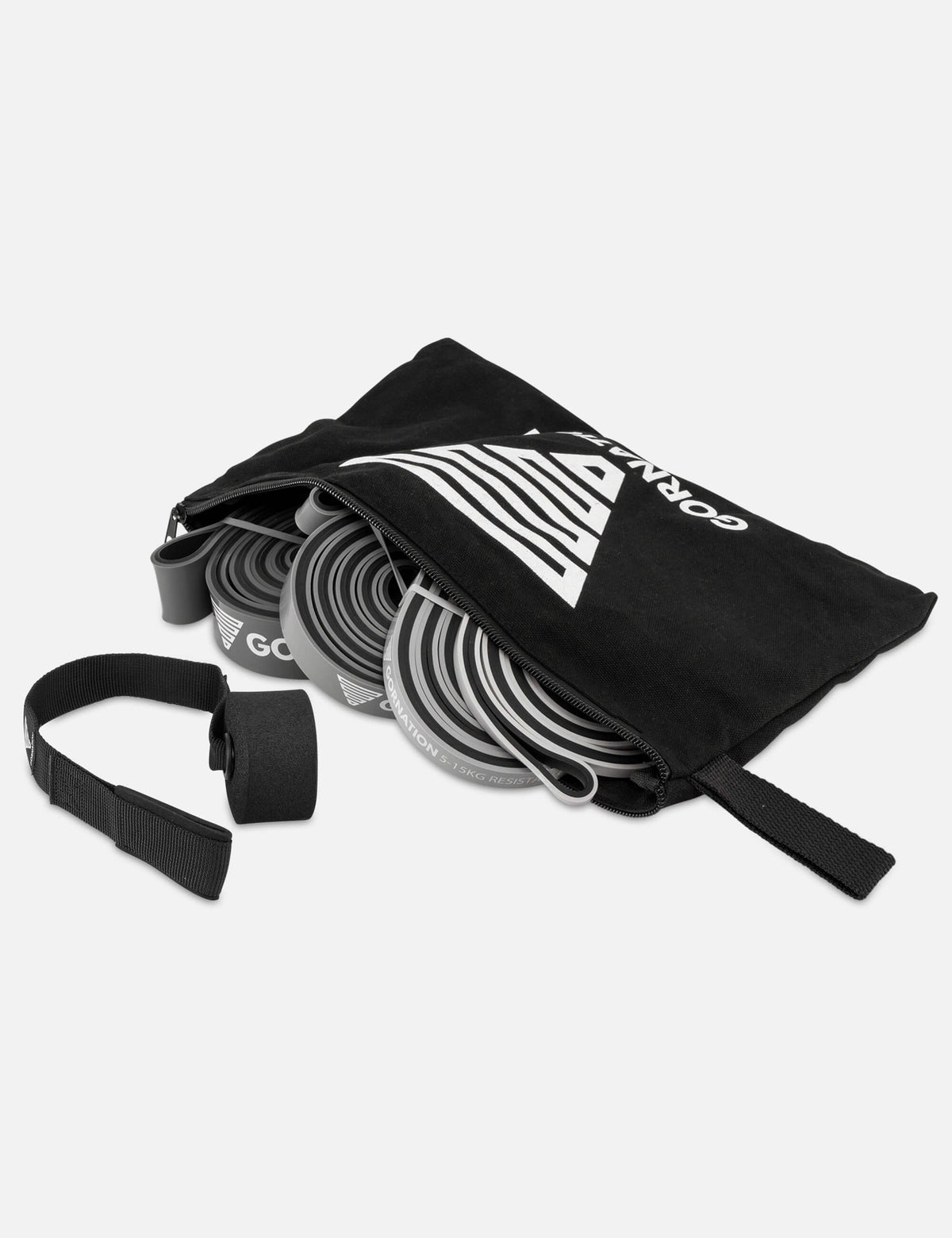
- Resistance Bands: a smart investment to assist your pull-ups, adjust the intensity of many exercises and warm up your joints gently.
- Push up Bars: they reduce pressure on your wrists and increase the range of motion on pushing movements.
- A quality Training Mat: it protects your back and knees during core work and floor exercises.
- Technical, Breathable Clothing: it makes a real difference over the length of a session.
At GORNATION, you'll find equipment designed specifically for street workout and bodyweight training practitioners, built to last and to support your progress over the long term.
Sample training program to repeat
Here's a complete session built only with the exercises seen above. It's designed to be done two to three times a week, always leaving at least one rest day between sessions. At this age, recovery isn't optional: it's where your body rebuilds and gets stronger.
Warm-up (8 to 10 minutes) Never skip this step. It prepares your joints and raises your muscle temperature:
- Rotations of shoulders, hips, wrists and ankles
- A few slow step ups to activate the lower body
- A short dead hang to decompress the shoulders
- A brief side plank to wake up the core
Main session:
| Exercise | Sets | Reps | Rest |
|---|---|---|---|
| Australian pull ups or pull ups | 4 | 5 to 8 | 90 s |
| Straight bar push-ups | 4 | 8 to 12 | 60 s |
| Assisted dips or dips | 3 | 6 to 10 | 90 s |
| Step up | 4 | 12 per leg | 60 s |
| Lunge / Bulgarian split squat | 3 | 10 per leg | 60 s |
| Crunch | 3 | 15 | 45 s |
| Side plank | 3 | 20 to 30 s per side | 45 s |
Focus on execution quality rather than the number of reps.
Recovery (5 to 10 minutes) Finish with gentle stretches of the muscles worked: chest, back, quads, hamstrings and shoulders. A few deep breaths at the end of the session help your nervous system settle. Done well, this phase reduces soreness and prepares your next workout.
How to adapt intensity to your level and your recovery
The secret to lasting progress lies in listening to your body. After 40, your recovery capacity isn't what it was at twenty, and that's normal. If you're a beginner, reduce the number of sets and choose the easiest variations: assisted pull ups, straight bar push-ups, and short planks. What matters is building a solid habit before chasing performance.
To progress, apply the principle of progressive overload: add a rep, a set, or move to a harder variation roughly every two weeks. Also learn to tell the good signals from the bad:
- Normal signals: slight muscle fatigue, passing soreness, increased need for sleep.
- Warning signals: persistent joint pain, lasting drop in energy, disrupted sleep, falling motivation.
If a warning signal appears, lighten your week and prioritize mobility and active recovery. Better to move forward slowly and steadily than to get injured by rushing.

The mistakes to avoid to progress without injury
Certain mistakes come up systematically among practitioners over 40. Here they are, so you can avoid them:
- Neglecting the warm-up: Attacking a session cold is the best way to pull a muscle or irritate a joint.
- Wanting to do too much, too fast: Piling on sessions without enough recovery leads straight to overtraining and stagnation. Three quality sessions beat six sloppy ones.
- Sacrificing technique: One complete, controlled push-up is worth infinitely more than ten sloppy ones. Repeated poor execution always ends up causing pain.
- Ignoring the lower body and core: An unbalanced physique is a fragile physique.
- Forgetting nutrition and hydration: These two pillars directly determine your results and your ability to recover.
FAQ: your questions about bodyweight training after 40
Can you really build muscle by starting calisthenics after 40?
Absolutely. Your body keeps its full ability to build muscle and strength at this age. Progress may be a little slower than at twenty, but with consistency and good recovery, the results are very real and lasting.
How many sessions per week are recommended?
Two to three weekly sessions are ideal for most practitioners. This rhythm gives your body time to recover and get stronger between workouts, which is essential past your forties.
Should you see a doctor before starting?
If you've been sedentary for a long time or have a medical history, medical advice is strongly recommended before resuming physical activity. It lets you start with peace of mind and adapt your practice to your health.
Is calisthenics enough to lose weight?
Combined with a balanced diet, bodyweight training is an excellent tool to slim down your silhouette. It increases your muscle mass, which raises your basal metabolism and boosts daily energy expenditure.
How long before you see results?
The first feelings of strength and tone often arrive within the first three to four weeks. Visible changes to your silhouette generally appear after two to three months of regular practice.